Reading a Breathing Tell
Learn to read a breathing tell in live poker — why fast, shallow chest breathing often signals a strong hand and held or slowed breath can mean weakness or tension.
On this page · 6 sections
A breathing tell is one of the most involuntary signals in live poker. Unlike a facial expression, breathing is driven by the autonomic nervous system and adrenaline, which players struggle to control under pressure. This guide explains how to read a breathing tell — what fast, shallow, or held breath usually means, and how to observe it without giving yourself away.
Why breathing is so hard to fake
When a player picks up a monster hand and puts serious money at risk, the body reacts before the mind can intervene. Adrenaline speeds the heart, and breathing follows — becoming faster and often shifting up into the chest and shoulders. That physiological response is largely outside conscious control, which is exactly why breathing sits among the more trustworthy physical tells, alongside those covered in physical poker tells.
The catch is that both strength and fear produce arousal, so breathing changes alone do not tell you the direction — only that something is happening. You have to read the change against the rest of the behavioral picture from how to read poker tells to know whether the arousal comes from a great hand or from the stress of a bluff.
Fast, visible breathing after a bet
The most common breathing read: a player makes a big bet, and immediately afterward their upper chest and shoulders start to rise and fall faster and more visibly. In unguarded players, this often points to genuine strength. They have committed chips with a hand they expect to win, and the anticipation triggers a real adrenaline surge they cannot mask.
Look at the shoulders rather than the face. Facial expressions are consciously guarded; the rhythm of the shoulders and upper chest is not. A player who bets, then noticeably speeds up and elevates their breathing into the chest, is frequently holding a hand they are excited to get paid on.
Held or shortened breath
The opposite pattern — a player who seems to freeze, holding or shortening their breath after betting — more often skews toward a bluff. This is the body’s fear response: the instinct to stay perfectly still and small when facing a threat, in this case the threat of being called and caught. A bluffer often goes rigid and quiet, and the breath goes with it.
Be careful, though: intense concentration on a genuinely strong hand can also produce a held breath. The way to separate them is duration and release. A bluffer’s frozen breath usually breaks with a small exhale of relief if you fold; a concentrating strong player’s stillness tends to stay controlled either way.
A worked example
Live 2/5 cash, river bet of 40 big blinds into a 55 big blind pot. Your opponent, a chatty recreational player who has been relaxed all night, shoves the chips forward and then goes silent. Watching his lanyard against his shirt, you see his chest rising and falling faster than it did earlier in the hand — a clear jump from his baseline.
The combination is telling: a normally relaxed player who suddenly shows fast, elevated chest breathing after a big bet is usually excited about a real hand, not fear-frozen on a bluff. Against this read you should fold marginal bluff-catchers you might otherwise call, because the adrenaline signal and the size of the bet both point to value.
Common mistakes
The first mistake is reading breathing without a baseline. Some players simply breathe heavily or are anxious by nature; only a change from their normal pattern is meaningful. Spend the early orbits noting how each player breathes when they are not in a big pot.
The second mistake is over-reading direction. Because both strong hands and bluffs raise arousal, breathing tells you intensity, not necessarily strength. Pair the breathing pattern with other cues — the stillness of a bluffer versus the eager energy of a value bet — and with the specifics from breathing tells in poker. A third error is staring, which both tips off your opponent and stops them behaving naturally.
A quick checklist
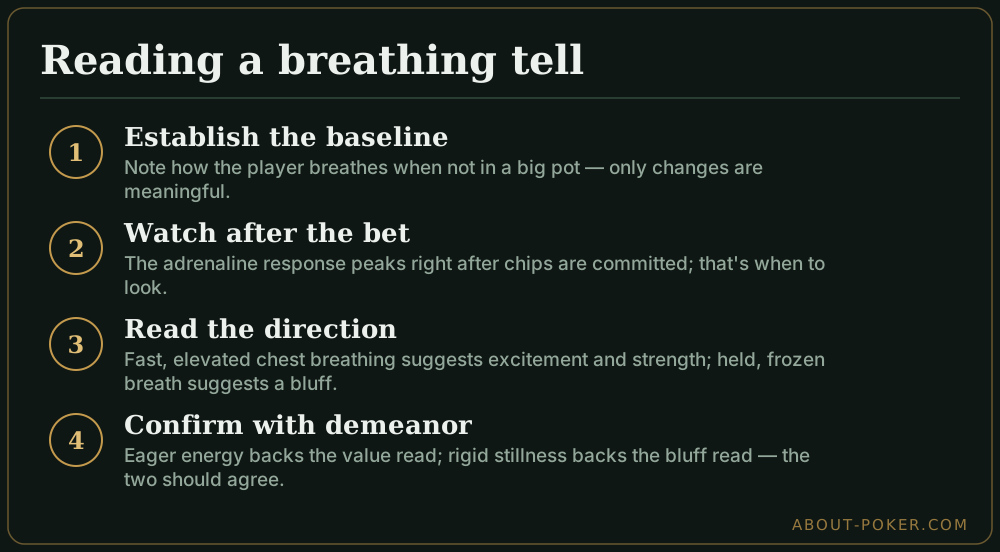
Run four checks before acting on a breathing tell. Is this a change from the player’s baseline breathing? Did the change happen right after a bet, when adrenaline peaks? Is it fast and elevated into the chest, suggesting excitement, or held and frozen, suggesting fear? And does the rest of the player’s demeanor — stillness versus energy — agree with that reading?
When breathing shifts off-baseline in a clear direction and the rest of the picture agrees, it is among the most reliable live tells you can act on. But treat it as a strong nudge on close decisions, not a standalone reason to make or fold a huge hand.
Frequently asked
What does fast breathing mean in poker?
Fast, visible chest breathing after a player bets often signals genuine strength. A big hand triggers real excitement and an adrenaline response the player cannot fully suppress, which speeds and deepens breathing. It is more reliable in unguarded recreational players than in disciplined regulars.
Does holding your breath mean you're bluffing?
Often, yes — many players unconsciously hold or shorten their breath while bluffing, freezing up as part of a fear response to being caught. But held breath can also reflect intense concentration on a genuinely strong hand, so read it against baseline and other cues.
How can I watch a player's breathing without staring?
Watch the shoulders and upper chest with peripheral vision, or observe the rise and fall of a shirt or lanyard rather than staring at the person. Breathing is best read in the moments right after a big bet, when the adrenaline response is strongest.