Handling a Big Live Pot
How to handle a big live pot without spewing chips — slow down, count the pot, weigh reads and ranges, and keep your nerves from making the decision for you.
On this page · 6 sections
Big pots decide sessions. A single large pot can be worth dozens of small ones, so how you handle it matters far more than how you play routine hands. The problem is that big pots also spike adrenaline, and adrenaline is where good players lose money. This guide covers how to handle a big live pot with a clear head and a repeatable process.
Slow down — the clock is on your side
The single most valuable habit in a big pot is to take your time. There is no bonus for acting fast, and rushing is how nerves make the decision for you. When a big bet lands, pause. Breathe. Let the initial emotional spike pass before you do anything. Fifteen or twenty extra seconds costs nothing and lets your reasoning brain catch up to your racing pulse. The mental-side of this is the same discipline covered in managing a big live session.
Taking your time also has a strategic bonus: it keeps your own timing tell hidden. If you snap-call your monsters and tank your bluff-catchers, observant opponents will read you. A consistent, deliberate tempo in big pots protects information while giving you room to think.
Build the decision from the pot up
In a big pot, start with the numbers, not the read. Count the total pot, including the bet you are facing, then compare it to the amount you must call. That gives you your pot odds and the equity you need to break even. If the pot is 200 and you must call 100, you are getting 200-to-100 — you need to win roughly one time in three, about 33% equity, to make the call profitable.
Then ask what hands your opponent takes this line with, and how your hand fares against that range. Pot odds tell you the price; the range tells you whether your hand clears it. Only after you have both should you reach for a physical or timing read to break a genuine tie, using the framework from how to read poker tells.
A worked example
You hold Ah Kh on a final board of Qh 8h 3c 5s 2d. You made the nut flush on the flop but the board never paired, so you have the second nuts — only a full house or a straight flush beats you, and neither is possible here except a set filling up. The pot is 300 big blinds and your opponent shoves 250 more.
You are getting 550-to-250, needing about 31% equity to call. Against almost any range your nut flush is far ahead — the only hands that beat you are the unlikely sets that rivered a boat, and there are very few of those combinations. Even accounting for them, your equity crushes the 31% you need. This is a clear call. In a big pot, the discipline is to confirm the math rather than let the size of the bet scare you off a great hand.
When to fold a big hand
The flip side is just as important: sometimes the pot math says call but the ranges and reads say fold. If a passive, tight player who never bluffs suddenly jams the river into a scary runout, your top pair may simply be beaten no matter what the pot odds look like. Pot odds only matter if you actually have the equity — against a range that has you crushed, a “good price” is a trap.
Handling a big pot well includes the willingness to fold a strong hand when the story does not add up. The most expensive mistakes in live poker come from hero-calling big bets with one pair because the pot got large. Size does not create equity.
Common mistakes in big pots
The first is letting emotion set the tempo — snap-reacting to a shove out of fear or excitement. The second is anchoring on your hand’s absolute strength (“I have top pair!”) instead of its strength relative to the opponent’s range. The third is fumbling the mechanics: in a big pot, announce your action clearly and move chips in one clean motion to avoid string-bet rulings, as covered in how to handle chips at the table.
A fourth mistake is chasing losses. If you just lost a big pot, the next big pot is not the place to get it back. Reset, or take a short break. The chips do not know you are stuck.
A quick checklist for a big live pot
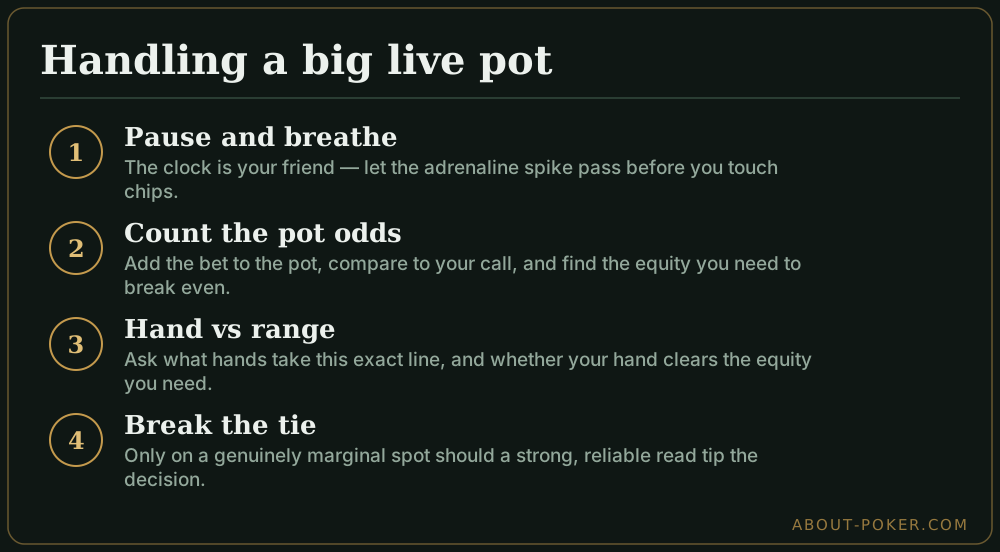
Pause and breathe before acting — take your time deliberately. Count the total pot and your call to get the pot odds and the equity you need. Ask what range your opponent takes this exact line with, and how your hand does against it. Compare your equity to the price, and only then use a reliable read to break a genuine tie.
Move your chips cleanly and announce your action to avoid rulings. And whatever the result, keep your composure for the next hand. Handling a big live pot is 20 percent math, 30 percent reads, and 50 percent staying calm enough to use both.
Frequently asked
How do I stay calm in a big live pot?
Slow down and take your time — the clock is your friend. Breathe steadily, count the pot and the bet, and work through the decision methodically instead of reacting to the adrenaline. Taking even 15 to 20 extra seconds lets the emotional spike pass so you can decide with your reasoning brain.
How do I calculate pot odds in a big pot?
Pot odds are the price you're being laid to call. If the pot is 200 and you must call 100, you're getting 200-to-100, so you need to win about one time in three (roughly 33% equity) to break even. Count the total pot including the bet, then compare your call to that number.
Should I trust a read in a big pot?
Use reads to break ties, not to override the math. In a big pot, first establish whether the call is close on pot odds and ranges. If it is genuinely marginal, a strong, reliable read can tip the decision. If the math is clearly one way, a fuzzy read should rarely reverse it.