Polarized vs Linear Ranges Explained for Beginners
A polarized range is nuts-or-bluffs; a linear range is all your best hands. A beginner guide to what each means, when to use them, and how sizing follows.
On this page · 5 sections
Polarized and linear are two ways to shape a betting range — that is, the set of hands you choose to bet with. A polarized range is nuts-or-nothing: your very strong hands plus your bluffs, with the mediocre stuff left out. A linear range (also called merged) is your best hands from the top down, no dedicated bluffs. They are not just labels; each one comes with its own natural bet size and its own reason for existing. Understanding the difference is what lets a beginner size bets on purpose instead of guessing.
Polarized: strong hands and bluffs
Picture your range split at the two extremes. On one end sit your monsters — hands that want to get paid as much as possible. On the other end sit your bluffs — hands with little showdown value that only win if the opponent folds. A polarized range bets both of these together and checks the medium hands.
Why leave the middle out? Because medium hands do not want a big pot. They are too good to bluff with and not good enough to want a raise. So they check, and the betting range becomes “big or bluff.” The classic sign of polarization is a large bet or an overbet: the value hands want maximum payment and the bluffs need fold equity, and both are served by betting big.
Linear: all your best hands
A linear or merged range is different. Here you bet from the top down: your strong hands, your good hands, and your decent-but-real hands, all together. You are not carrying dedicated bluffs. The goal is to get called by the many worse hands your opponent still holds. Because you want those calls, you bet small — a big bet would blow the worse hands off the pot and defeat the purpose.
Linear ranges shine when your opponent’s range is wide and full of hands that will pay a small bet. The first raise into loose players, or a small continuation bet on a favorable flop, is often linear: you have the range advantage, so you bet a lot of hands cheaply and let worse hands come along.
A worked example
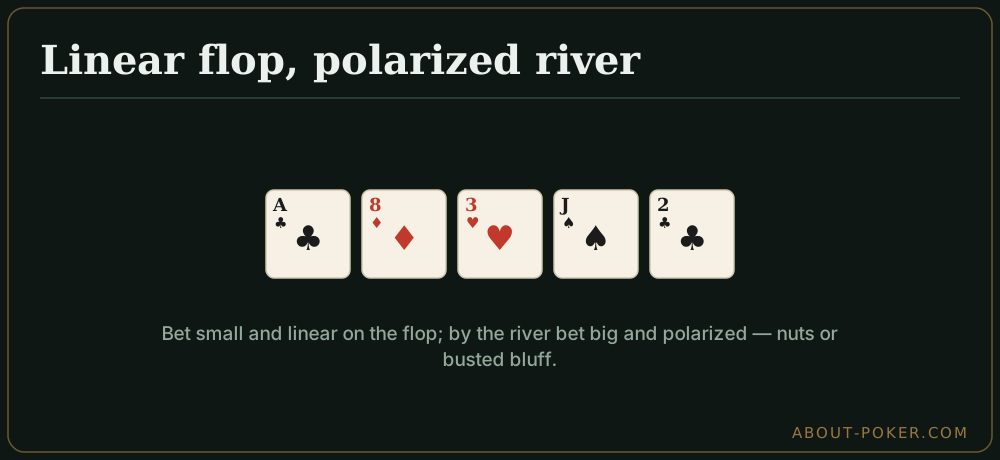
You raise before the flop and get one caller. The flop is Ac 8d 3h.
Linear approach (small bet). Your range is loaded with Aces, so you have a big range advantage. You bet a third of the pot with a wide, linear range — top pairs, second pairs, even some Kings — because worse hands like 8x, small pairs, and gutshots will call a small bet. You are extracting thin value across a broad range, not trying to fold anyone out.
Now fast-forward. The board runs out Ac 8d 3h Js 2c and the pot is large on the river. You hold either the nuts (a set) or a busted draw with no showdown value.
Polarized approach (big bet). Your medium hands — say a lone Ace — no longer want to bet; they check and try to win at showdown. Only your monsters and your busted bluffs want to fire. So your river betting range is polarized, and you bet big: the set wants a maximum payment, and the busted draw needs the opponent to fold. The same player, same hand class, switches from linear on the flop to polarized on the river — because the situation changed.
That switch is the whole lesson: sizing is not random, it follows the shape of the range you are betting.
Balancing the two extremes
A polarized range only works if your bluffs and value hands are in a sensible proportion — that is the domain of the bluff-to-value ratio. Bet big with all value and no bluffs and observant opponents simply fold everything but the nuts; bet big with too many bluffs and they call you down. The right mix keeps you unexploitable, and the bigger you bet, the more value hands you need per bluff.
Polarization also relates closely to whether a range is capped or uncapped: a polarized bettor is often uncapped, threatening the nuts, which is exactly what makes their big bets so hard to face.
The beginner takeaway
When you are about to bet, ask what you are trying to do. If you want worse hands to call, you are betting a linear range — keep it small and get paid across the board. If you only get called by better or folded out by worse, you are betting a polarized range — go big, pair your value with the right amount of bluffs, and lean on fold equity. Match the size to the shape, and your bets will start telling a coherent story instead of a confusing one.
Frequently asked
What is a polarized range in poker?
A polarized range is made up of very strong hands and bluffs, with the medium hands left out. You bet it big because the strong hands want value and the bluffs want folds, while the middling hands prefer to check.
What is a linear range in poker?
A linear range, sometimes called a merged range, contains all of your best hands from the top down — strong hands, good hands, and decent hands — without dedicated bluffs. It is used with smaller sizing to get value from many worse holdings.
When should you use a polarized versus a linear range?
Use a linear range when many worse hands will call, such as a first raise into wide ranges, and size small. Use a polarized range when only strong hands or nothing will continue, such as big river bets, and size large.
Why does bet size follow from range type?
Polarized ranges bet large because bluffs need fold equity and value hands want maximum payment. Linear ranges bet small because the goal is to get called by the many worse hands, not to blow them off the pot.