What Is Raise As A Bluff in Poker?
A raise as a bluff is raising with a weak hand to fold out a stronger one. Learn how bluff raises generate fold equity and which hands make the best ones.
On this page · 6 sections
A raise as a bluff — a bluff raise — is raising with a hand that is currently losing, hoping to fold out a stronger one. Where a call can only win at showdown, a raise adds a second way to win: your opponent folds and you take the pot immediately. That extra path is called fold equity, and it is the engine behind every bluff raise in the game.
The Core Idea
When you face a bet, you have three choices: fold, call, or raise. Folding gives up. Calling wins only if your hand is best at showdown. Raising can win right now, before any more cards come, if your opponent lays down a better hand. A bluff raise leans entirely on that immediate fold — you are betting that your opponent’s range contains enough hands that cannot stand a raise.
The math is simple. For a bluff raise to be profitable, the pot you win when they fold, weighted by how often they fold, must outweigh the chips you lose when they call and beat you. The more of your opponent’s range that folds, the better the bluff raise, which is why reading their range is the whole job.
A Worked Example
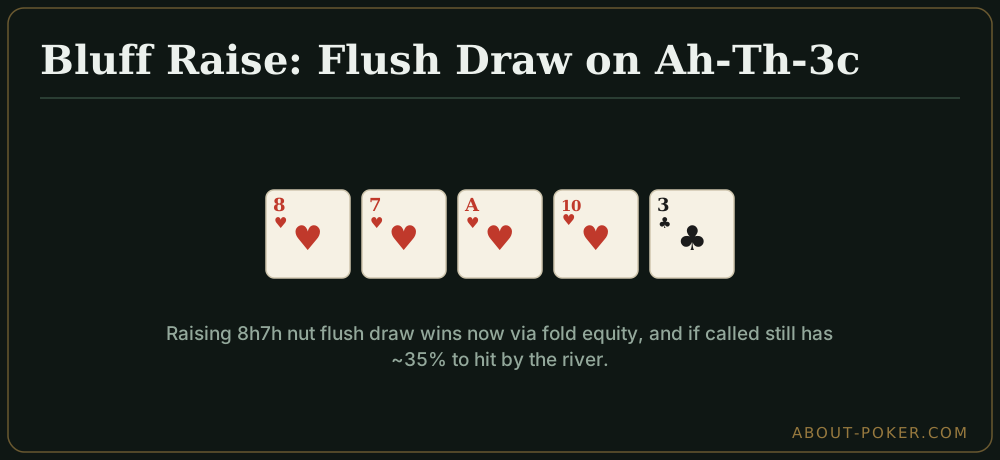
You call a raise on the button with 8h-7h. The flop is Ah-Th-3c, giving you a nut flush draw. Your opponent bets. You could just call, but instead you raise.
This is a bluff raise with backup — a semi-bluff. Your opponent’s flop bet includes plenty of hands that hate a raise: weak aces, second pairs, and their own draws. Many of those fold, and you win the pot right there. When they do call, you still have nine hearts to complete the nut flush, roughly 35% equity by the river to make the best hand. So you win two ways: they fold now, or they call and you hit. A pure-air raise with no draw wins only the first way — which is why hands with equity make far stronger bluff raises.
The Best Bluff-Raising Hands
Two features make a hand a good bluff raise. The first is backup equity — outs to improve if you get called, as in the flush-draw example above. A raise that can turn into a winning hand costs far less when called than a raise that is drawing dead.
The second is blockers. Holding a card that reduces the combinations of strong hands your opponent can have makes your bluff more likely to succeed. If you hold the ace of hearts on a three-heart board, your opponent can never have the nut flush — so your bluff raise gets through more often. Great bluff raises frequently combine both: a hand that blocks the nuts and can still improve.
The weakest bluff raises come from pure air with no equity and no relevant blockers. Sometimes those are still fine as pure bluffs to balance your value raises, but they need the folds to happen almost every time.
Bluff Raise vs Value Raise
Every raising range should contain both bluffs and value. A value raise wants a call from worse; a bluff raise wants a fold from better. If you only ever raise with the nuts, observant opponents fold everything and you win nothing extra. Mixing in credible bluff raises — hands that block the nuts and can improve — makes your value raises get paid, because opponents can no longer safely fold to your aggression. The two halves protect each other.
Common Mistakes
The biggest mistake is bluff raising into ranges that will not fold. If your opponent’s betting range is already strong and sticky — say they only bet the turn with made hands — a bluff raise has no fold equity and simply bloats a pot you will lose. Pick opponents and spots where a meaningful chunk of their range must fold.
The second mistake is choosing the wrong hands. Raising with the worst part of your range while calling with your draws is backwards; your draws make better bluff raises because they retain equity, while your no-equity hands are better as folds or occasional pure bluffs.
The third mistake is sizing that reveals the bluff. A bluff raise should look identical to your value raises. If you always raise small with value and huge with air, thinking opponents will read you instantly.
Quick Checklist
- Does a meaningful part of my opponent’s range fold to this raise? If no, do not bluff raise.
- Does my hand have backup equity or block the nuts? Prefer these hands for bluff raising.
- Is my raise size consistent with my value raises? Keep bluffs and value indistinguishable.
- Am I raising my draws rather than my dead hands? Choose the hands that win two ways.
A raise as a bluff turns a losing hand into a chance to win the pot outright. Choose hands with equity and blockers, target opponents who can fold, and your bluff raises become one of your most profitable aggressive plays.
Frequently asked
What is a raise as a bluff in poker?
A bluff raise is raising with a hand that is currently weak or behind, aiming to make a stronger hand fold. Unlike a call, a raise creates fold equity — it can win the pot outright even when your hand cannot win at showdown.
What hands make good bluff raises?
The best bluff raises come from hands with backup equity, like draws that can improve if called, and from hands that hold blockers to your opponent's strong holdings. Pure air with no equity and no blockers makes the weakest bluff raises.
How is a bluff raise different from a semi-bluff?
A semi-bluff is a type of bluff raise or bet made with a drawing hand that can improve. A bluff raise is the broader idea of raising to fold out better hands, whether or not your hand has outs to fall back on.