Barreling the Turn
The turn barrel is where c-bet profits are made. Learn which turn cards to fire, how to pick semi-bluffs, sizing, and when to shut down after your flop c-bet.
On this page · 6 sections
Anyone can c-bet the flop. The money in aggressive postflop poker is made on the turn — the second barrel. When your opponent calls your flop c-bet, they’ve told you they have something, and the turn is where you decide whether to keep the pressure on or shut down. Firing the right turn cards, with the right hands, at the right size, is what separates a break-even c-bettor from a genuinely profitable one.
Why the Turn Barrel Matters
A flop c-bet often gets called by a wide, weak range: middle pairs, ace-highs, floats, and draws. Many of those hands are only continuing to see one more card. The turn barrel attacks exactly this population. It denies equity to the draws, folds out the marginal made hands that can’t stand a second bet, and represents a strong hand across two streets — a story that’s hard for a capped calling range to call down.
Crucially, the turn is a leverage street. A pot-sized turn bet sets up a pot-sized or larger river bet, threatening the opponent’s entire stack. That looming river pressure is why folds on the turn are so frequent — see double and triple barreling for how the streets link together.
Which Turn Cards to Fire
Not every turn is a barrel card. The good ones fall into three groups. Overcards to the flop that favor your range — for example an ace or king landing on a 7-6-2 flop — improve your hands and scare a caller who was hanging on with a middle pair. Cards that complete draws you’d credibly hold let you represent the very hands your opponent fears; if you’d have flushes and straights in your range, the completing card is a strong bluffing card. Blanks that change nothing (a low offsuit card) let you keep firing against a range that whiffed the flop.
The bad barrel cards are the mirror image: cards that obviously smash the caller’s range (a low card that completes their suited connectors), or cards that kill your own equity and story. Read the runout through the lens of how to play the turn — always ask “who does this card help?”
Pick Your Bluffs by Equity and Blockers
Don’t barrel random air. The best turn bluffs are semi-bluffs — hands with a draw that can improve — and hands that block your opponent’s continues. A flush draw that picks up on the turn, a gutshot with two overcards, or a hand holding the ace of the flush suit all make excellent barrels because they can win by folding out the opponent or by hitting. Naked air with no equity and no blockers should mostly give up.
A Worked Example
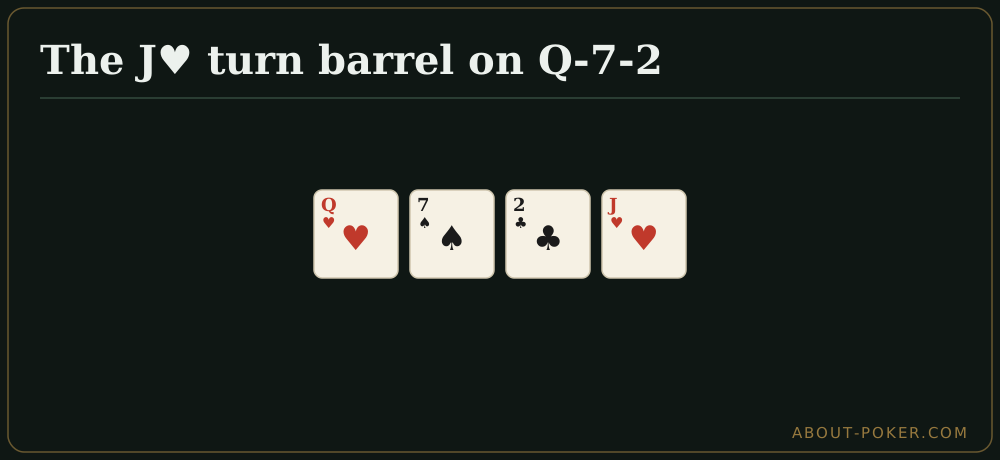
You raise A♥K♥ on the button, the big blind calls, and the flop is Q♥7♠2♣. You c-bet one-third pot and get called. The turn is the J♥.
This is a dream barrel card. You now hold the nut flush draw plus a gutshot to Broadway (a ten makes the nuts) plus two overcards — a monster amount of equity. Just as important, the J♥ is a scary card for the caller: it completes possible straights and flushes you could hold, and it’s an overcard to their middle pairs. Fire a large turn barrel, around three-quarters pot. You fold out a big share of the caller’s queens-with-weak-kicker and all their float hands, and when called you have roughly 12 clean outs to a very strong hand on the river. This is the ideal marriage of fold equity and card equity that a strong continuation bet strategy is built to create.
Now change the turn to the 6♣ on that same Q-7-2 flop, and say you hold 5♣4♣ with no pair. This is a shut-down card: it helps the caller’s connectors more than your air, you have almost no equity, and you have no blockers to their continues. Check and give up rather than firing a second bullet into a range that just got better.
Sizing the Barrel
Turn barrels are usually bigger than the flop bet — two-thirds to full pot is standard. The turn is where you build the pot and set up river leverage, and a bigger bet charges draws the most and maximizes fold equity against the narrowed calling range. On especially scary cards that crush the caller’s range, an overbet can be devastating. Keep your value hands and your bluffs the same size so you’re never readable.
Common Mistakes
The biggest leak is auto-barreling every turn regardless of the card — firing blanks that help the opponent and stacking off with air. The second is giving up too easily on great barrel cards, missing the fold equity that overcards and draw-completers hand you. The third is barreling with no equity and no blockers, turning a semi-bluff strategy into pure spew. Choose your cards, choose your hands, size up, and let the turn barrel do the heavy lifting.
Frequently asked
What does barreling the turn mean?
Barreling the turn means firing a second bet on the turn after you c-bet the flop, also called a double barrel. It keeps pressure on the opponent, represents a strong made hand across two streets, and denies equity to their draws.
Which turn cards are good to barrel?
Cards that improve your range or scare your opponent's — overcards to the flop, cards that complete draws you'd have, and blank cards that don't help the caller. Bad barrel cards are ones that obviously help the calling range or kill your equity.
How big should a turn barrel be?
Usually larger than the flop bet — two-thirds to full pot is common — because the turn is where you build the pot toward the river and apply maximum pressure to a range that has already been narrowed by the flop c-bet.