What Is TAG Player in Poker?
A TAG is a tight-aggressive player who plays few hands but bets and raises hard with them. Learn the style, its stats, and how to play against a TAG.
On this page · 8 sections
A TAG — short for tight-aggressive — is a player who enters relatively few pots but plays the hands they do enter with aggression, favoring bets and raises over calls. It is the style most coaches teach first, because it is forgiving, profitable, and hard for weaker opponents to exploit. If you play strong hands, play them assertively, and skip the junk, you are playing TAG. Understanding the style helps you both adopt it and recognize it in others.
The Two Halves: Tight and Aggressive
“Tight” describes hand selection — a TAG folds most starting hands and waits for genuinely playable ones. “Aggressive” describes how they play the hands they keep — they raise rather than limp, bet rather than check, and apply pressure rather than passively calling along. The combination is powerful: tight selection means their hands are strong on average, and aggression means they win pots both at showdown and by making opponents fold.
The Numbers Behind a TAG
Poker tracking software describes players with two headline stats, and a TAG has a recognizable profile:
- VPIP (voluntarily put money in pot): the share of hands a player chooses to play. A full-ring TAG runs about 18–22%; a 6-max TAG a bit looser at roughly 22–26%.
- PFR (preflop raise): how often they raise before the flop. A TAG’s PFR sits close behind their VPIP, meaning most hands they play, they raise rather than call.
A small gap between VPIP and PFR is the statistical fingerprint of aggression. When those numbers drop very low and the player becomes passive, they cross over into being a nit — too tight to get action.
TAG Versus LAG
The louder cousin of the TAG is the LAG, or loose-aggressive player. Both are aggressive, but the LAG plays a far wider range of hands, applying constant pressure and putting opponents in uncomfortable spots. A LAG can win big when firing on all cylinders but is swingier and much harder to play well — it demands sharp postflop skills and strong reads. The TAG style trades some of that upside for consistency and a lower error rate, which is why it is the recommended starting point for developing players.
A Worked Example
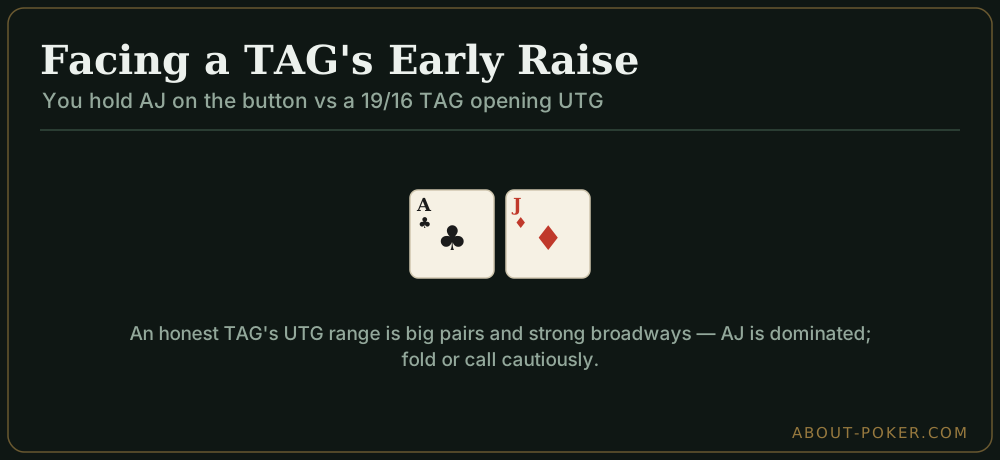
You are on the button in a full-ring game. Under the gun, a solid TAG raises. You have been watching them: their VPIP is 19 and PFR 16, and they have not shown a single loose raise all session. You hold Ac-Jd.
Against a wide opener you might 3-bet or call happily, but this is a tight player raising from early position. Their range is heavy with big pairs and strong broadways — hands that dominate ace-jack. The disciplined play is to fold or, at most, call cautiously in position, because calling stations aside, a straightforward TAG’s early-position raise is honest. Later, that same knowledge lets you steal from them relentlessly when they are in the blinds, since they fold too much.
How to Play Against a TAG
Beating a TAG means attacking their biggest weakness — tightness — using an exploitative approach:
- Steal their blinds. They fold a lot preflop, so raise their blinds wide when folded to you.
- 3-bet them light in position. A tight player folds too many hands to reraises; punish that with well-timed light 3-bets when you have position.
- Respect their real aggression. When a straightforward TAG bets big on the turn or river, believe them — they rarely bluff without a reason.
- Avoid marginal showdowns. Do not pay off a TAG’s value bets with second-best hands.
Playing the TAG Style Yourself
If you want to adopt the style: fold the vast majority of hands, open-raise (never limp) the strong ones, keep the pressure on postflop with continuation bets and value bets, and pick disciplined spots to fire. Add a touch of well-chosen aggression — the occasional light 3-bet, a timely bluff on a good board — to avoid becoming an overly predictable nit. That blend of patience and pressure is what makes the TAG the workhorse winning style.
Common Mistakes
- Sliding into nit territory. Too tight and too passive kills your action and your win rate.
- Playing every hand fast and losing balance. Even a TAG needs a few bluffs to get paid.
- Paying off a TAG’s big bets. Their aggression is usually earned — respect it.
- Failing to steal from tight players. Their over-folding is free money you must collect.
Quick Checklist
To be a TAG: play few hands, play them aggressively, and stay disciplined. To beat one: steal their blinds, 3-bet them light in position, and fold when they show honest strength. Tight-aggressive is the style to master first and the one you will face most often.
Frequently asked
What is a TAG player in poker?
TAG stands for tight-aggressive. A TAG plays a relatively small number of starting hands but plays them aggressively, betting and raising rather than calling. It is widely regarded as the most reliable winning style for most players.
What stats define a TAG?
A TAG in a full-ring game typically runs around 18–22% VPIP with a preflop raise percentage close behind, meaning most hands they play, they raise. In 6-max the numbers rise to roughly 22–26% VPIP with a similarly high raise-first-in tendency.
What is the difference between a TAG and a LAG?
Both are aggressive, but a TAG plays tight — few hands — while a LAG, or loose-aggressive player, plays a much wider range. A LAG applies more pressure and puts opponents in tougher spots but is harder to play well and swingier.
How do you beat a TAG?
Attack a TAG's tightness. Steal their blinds more, three-bet them light in position, and give their big bets respect since they rarely bluff without a strong hand. Fold your marginal hands when a straightforward TAG shows real aggression.