Failing to Fold
Failing to fold is the leak that pays off big bets with second-best hands. Learn to read strength, use the pot, and make disciplined big-street folds.
On this page · 6 sections
Failing to fold is the leak that lives on the most expensive streets. Playing too many hands costs you small preflop bets; failing to fold costs you stacks. It is the call on the river with top pair when the whole story screams two pair, the refusal to release an overpair against a raise on a coordinated board, the hero call made on a feeling rather than a read. These are the hands players remember and rationalize as bad beats, but many of them were folds all along. Discipline on the big streets is one of the highest-value skills in cash games.
Big Bets Deserve Big Respect
The reason failing to fold hurts so much is arithmetic: the biggest bets come on the turn and river, so the biggest mistakes happen there. A loose preflop call costs you two or three big blinds. Calling a pot-sized river bet with a beaten hand costs you a whole stack. You can plug a dozen small leaks and still lose if you cannot lay down a good hand when the pot has grown large and the betting tells you that you are behind.
This does not mean folding everything. It means matching your caution to the size of the mistake. On the river, where value bets are strongest and the price is highest, the bar for calling should be high, and the willingness to fold a good-looking hand should be real.
Read the Story the Betting Tells
Poker hands are narratives. A player who bets the flop, bets the turn, and fires a big river into a board where straights and flushes got there is telling you something, and most of the time they are not lying. The disciplined question is not “is my hand good?” but “what is my opponent representing, and does my hand beat it?” Strong river play is largely the skill of hearing that story clearly and folding when it makes sense.
Ask the same question you use for your own value bets, in reverse: what worse hands are betting into me? If your opponent’s aggressive line is loaded with hands that beat you and thin on worse hands trying to get value, you are being value bet, and the call is a leak.
A Worked Example
You raise with Qs Qc and get one caller. The flop is Jh 9h 4c. You bet, they call. The turn is the 8h, putting a flush and a bunch of straights in play. You bet again, they raise. The river is the 2s, and they shove.
Your overpair looked huge on the flop, but walk the story forward. Your opponent called a flop bet and then raised the turn on a board full of flushes and straights. What are they doing that with? Flushes, straights, sets, two pair, hands that all crush your queens. What worse hand plays this way? Almost none, a stubborn draw that missed would rarely turn into a river shove for stacks, and even those are few. This is a fold, and an easy one once you read the line rather than the strength of your own pair. Refusing to fold this overpair is exactly the leak that empties bankrolls.
Hero Calls Should Be the Exception
There is a place for the hero call, when you have a genuine, specific read that a particular opponent bluffs too often for the price. But for most players, hero calls are a rationalization, a way to justify not folding. Against thinking regulars, big bets are more often value than bluff, and the math of a large bet demands your opponent bluff quite frequently to make calling break even. If you cannot point to a reason they are bluffing, assume they are not.
Common Failing-to-Fold Mistakes
- Calling big river bets with one pair without naming the worse hands that are value betting.
- Refusing to fold overpairs on coordinated boards when facing raises.
- Defaulting to hero calls on a hunch rather than a read.
- Anchoring to flop strength, holding on because a hand was strong three streets ago.
A Checklist for the Big Fold
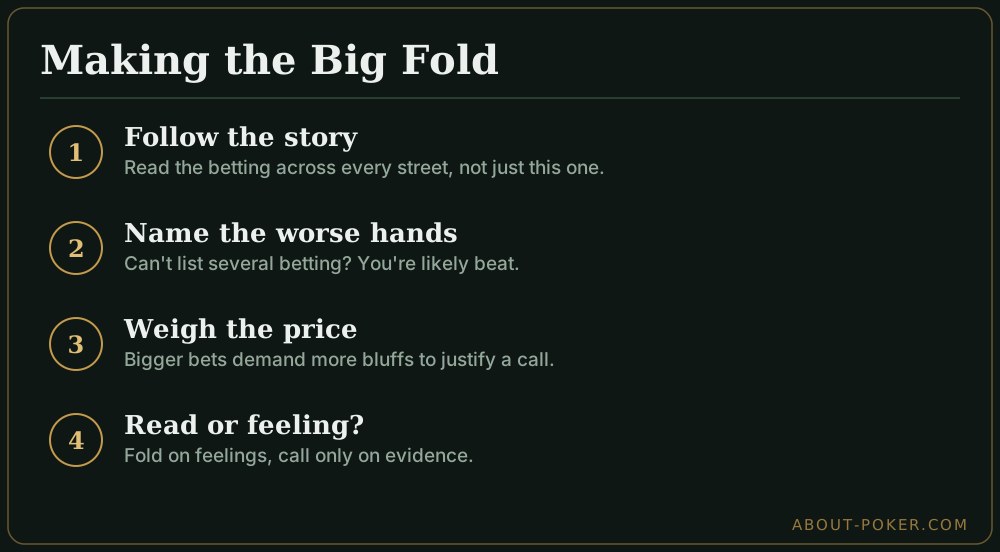
When you face a large bet on the turn or river, run this quick test:
- What is the story? Follow the betting across all streets, not just this one.
- What worse hands are betting? If you cannot list several, you are likely beat.
- What does the price demand? Bigger bets require more bluffs to justify a call.
- Do I have a real read, or a feeling? Fold on feelings; call only on evidence.
Master this and you turn your most expensive spots into your most disciplined ones. Folding a good hand feels bad in the moment and saves stacks over a career, which is exactly the trade a winning player learns to make.
Frequently asked
Why is failing to fold such a big leak?
Big bets on later streets carry the most value, and paying them off with a second-best hand is where large chunks of a bankroll disappear. A single hand where you call a big river bet with top pair against a range full of two pair and sets can cost more than dozens of small preflop mistakes combined. Learning to fold your good-but-beaten hands is worth a lot.
How do I know when to fold a strong hand?
Watch the story the betting tells. If your opponent bets with rising strength across streets, especially into a scary board, and their range is heavy with hands that beat you, a strong single pair is often a fold. Ask what worse hands are betting for value; if the answer is very few, folding is correct even with a hand that looks good.
Is it wrong to make a hero call?
Hero calls are correct when you have a specific read that your opponent is bluffing too often for the price you are being offered. They become a leak when they are your default, when you talk yourself into calling big bets on a hunch rather than on evidence. Most players hero call far too often and would win more by folding.
How do I stop calling too much on the river?
Before calling a big river bet, name the worse hands that are betting for value. If you cannot list several, you are usually beat and should fold. Also weigh the price: large bets need your opponent to be bluffing more often to justify a call, and most opponents do not bluff enough.