How to Play Against a Nit
A nit only bets with the nuts and folds everything else. Learn to steal relentlessly, respect their raises, and stop paying off the one player who never bluffs.
On this page · 7 sections
A nit is the polar opposite of a maniac: an extremely tight, risk-averse player who enters pots only with premium hands and folds nearly everything else. Sitting next to a nit can feel harmless because they so rarely make a big play — and that is exactly why they leak money. A nit surrenders too many small pots and telegraphs strength when they finally wake up. Your entire plan is to take the free chips they give away while paying them off as little as possible when they show genuine aggression.
What a nit actually does
A textbook nit plays perhaps 10% or fewer of hands, almost never 3-bets light, and almost never bluffs. When they call, they usually have a real hand; when they raise, they usually have a monster. This predictability is a gift. The same read that makes a nit safe to fold against also makes them trivial to bluff in the pots where they have shown no strength. Contrast this with the disciplined pressure of a strong regular in how to play against a TAG — a TAG will fight back, a nit will simply fold.
Steal their blinds relentlessly
The nit’s biggest weakness is the blinds. Because they defend so tightly, you can open a very wide range whenever you are in the cutoff, on the button, or in the small blind facing only a nit in the big blind. Most of the time they fold and you collect the dead money uncontested. This is free profit that adds up hand after hand — the mechanics of doing it correctly are covered in stealing blinds in cash. Open small, roughly 2 to 2.5 big blinds, since you do not need a big raise to make a nit fold.
Respect their aggression completely
The flip side of exploiting a nit is knowing when to get out of the way. When a nit puts in a big raise, a check-raise, or a river bet, believe them. Their value range is so heavily weighted toward strong hands that even your top pair is often a fold. The classic trap is holding a hand you would normally never fold — an overpair, top pair top kicker — and refusing to release it against a player who never bluffs. Discipline here saves you far more than your steals earn.
A worked example
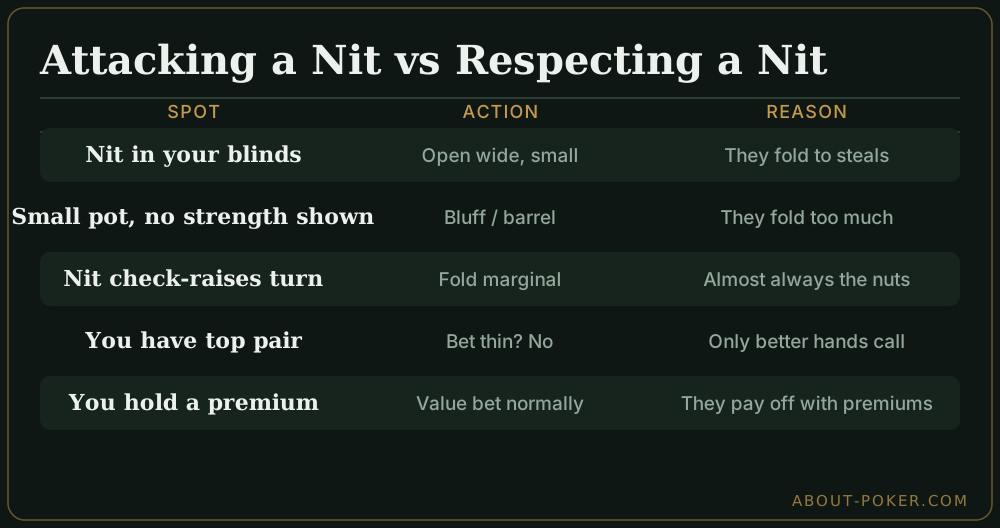
You open A-J offsuit to 2.5 big blinds on the button; the nit calls from the big blind. Flop is J-6-3 rainbow, giving you top pair top kicker. You c-bet, the nit calls. Turn is a 9. You bet again, and the nit check-raises you all in. Against a normal player this might be a call or at least a tough spot. Against a nit, it is a clean fold: their check-raise range here is essentially sets, two pair with 9-6 or J-9, and the occasional slow-played overpair — hands that crush your one pair. You made money by betting into the earlier streets when they were passive, and you save a stack by folding the moment they show force.
Adjust your value betting
Because a nit will not pay you off with weak hands, thin value betting against them is a mistake. If you would normally fire a third barrel for value with second pair, check it against a nit — they only call with better. Instead, extract value by betting when you genuinely have the goods and letting them call with the strong hands they will not fold. You make money on their blinds and their occasional loose call, not on marginal value.
Common mistakes
The first mistake is failing to steal enough; players often treat a nit as “solid” and give them respect they have not earned in unopened pots. The second is paying off their big bets out of stubbornness. The third is over-bluffing after they have committed chips — a nit who has called two streets often has a real hand and will not fold the river. Pick your bluffing spots early, before they have invested. Finally, do not stack off light in a raised or 3-bet pot against a nit; those pots are where their range is strongest.
Checklist
- Open a wide range to attack their blinds, using small sizings.
- Bluff freely in small pots where they have shown no strength.
- Fold marginal hands the instant a nit shows big aggression.
- Skip thin value bets; they only call with better.
- Value bet strong hands normally — they will pay with premiums.
- Consider seating so the nit is in your blinds, not you in theirs; see table selection and seat selection.
A nit is easy money in the small pots and easy to avoid in the big ones. Take what they give, respect what they show, and your win rate against them will be among the healthiest at the table.
Frequently asked
How do you exploit a nit in poker?
Steal their blinds relentlessly and apply constant pressure in small pots, because a nit folds anything but premium holdings. At the same time, give their aggression maximum respect — when a nit finally bets big, they almost always have it, so fold your marginal hands instead of paying them off.
What is a nit in poker?
A nit is an extremely tight, risk-averse player who plays only a small range of strong hands and folds almost everything else. They rarely bluff and rarely put chips in without a big holding, which makes them predictable and exploitable in the small pots but dangerous in the big ones.
Should you bluff a nit?
Yes, in small and medium pots where they have not shown strength, because a nit folds far too often. But do not try to bluff a nit off a hand once they have committed real chips, since at that point they almost always hold the nuts and will not fold.