What Is Polarize in Poker?
To polarize in poker means to bet only your strongest hands and your bluffs, checking everything in between. Learn when to polarize and how to size it.
On this page · 6 sections
To polarize in poker means to build your betting range out of just two types of hands: your strongest value hands and your bluffs. Everything in the middle — the medium-strength hands with showdown value — gets checked instead of bet. The name comes from the idea that your betting hands sit at the two opposite “poles” of strength: very strong or very weak, with nothing in between. Polarizing is one of the most important concepts in modern No-Limit Hold’em, and it goes hand in hand with using a large bet size.
Why You Split to the Extremes
The reason polarization works comes down to bet sizing. When you make a big bet, you are asking your opponent to risk a lot to see the next card or reach showdown. Only two kinds of hands are happy to make that big bet. Your nutted hands love it because they get paid off by anything that continues. Your bluffs love it because a big bet generates maximum fold equity, folding out hands that had you beat. A medium hand — say middle pair — gains nothing from a huge bet: worse hands fold and better hands call or raise, so it prefers to check and realize its showdown value. That is why medium hands stay out of a polarized range.
Polarize vs Depolarize
The mirror image of polarizing is depolarizing (also called merging). A depolarized range is packed with medium-strength value hands, uses a small size, and carries few bluffs. You depolarize when you want thin value and expect to get called by many worse hands. You polarize when you want to threaten the pot and only very strong or very weak hands want to be involved. A simple rule: big bet → polarized, small bet → depolarized.
A Worked Example
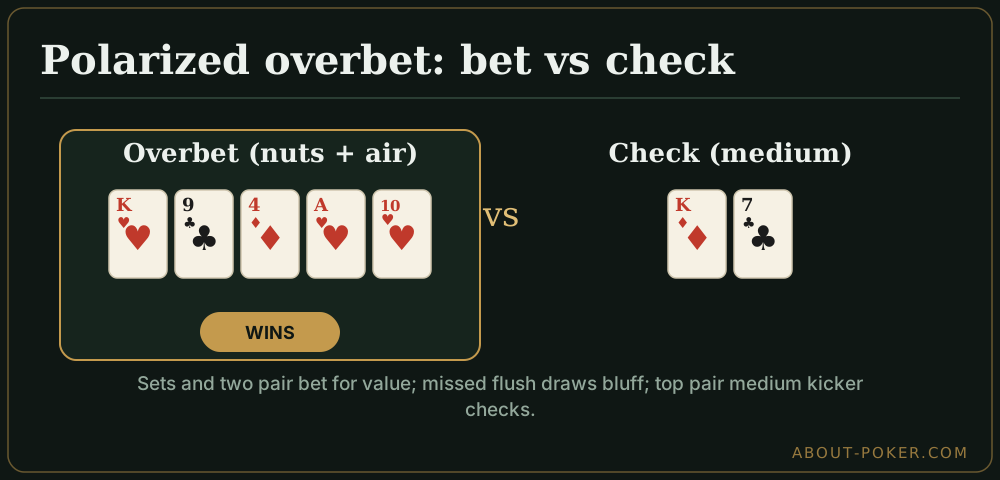
You raise, the button calls, and you check-call the flop and turn. The river completes a scary board: 9h 8h 4c Kd 2s. You want to bet the river, and you decide to overbet the pot. What belongs in that overbet?
- Value: sets and two pair — hands like K9 and 44 that beat almost everything your opponent calls with.
- Bluffs: missed flush draws such as Ah Th, which have zero showdown value but block the nut flush and make good bluffs.
What does not belong? A hand like K7 (top pair, medium kicker). It has real showdown value, worse hands will not call an overbet, and better hands will. So you check it. Your overbet is now polarized: nuts and air only. This is the same structure covered in more depth in our guide to the polarized range.
How Bet Size Drives Polarization
The larger your bet, the more polarized your range must be, and the tighter your value threshold becomes. A rough feel:
- Half pot: lightly polarized; you can include some strong-but-not-nutted value.
- Three-quarter pot: clearly polarized; strong value and solid bluffs.
- Overbet (1.5x pot+): heavily polarized; near-nutted value and pure air only.
This also controls your bluff-to-value ratio. Bigger bets lay worse pot odds, so your opponent needs to call less often, which means you are allowed a higher proportion of bluffs. That is why overbets can run close to a 1-to-1 bluff-to-value mix while small bets carry very few bluffs.
Common Mistakes
The most frequent error is polarizing with a small size. If you bet small, you should be depolarizing and packing the range with medium value — betting nuts-or-air small just leaves money on the table and folds out no one.
The second mistake is polarizing without enough bluffs. A big bet with only value hands is easy to fold to; a skilled opponent simply gives up their bluff-catchers and pays you nothing. Balance the poles: for every group of value hands in your big bet, include a proportional group of bluffs, ideally ones with good blockers to the hands that would call you.
Quick Rules of Thumb
- Big bet or overbet → polarize (nuts and air, check the middle).
- Choose bluffs that block your opponent’s calling range.
- The bigger the size, the more bluffs you are allowed.
- If your best hand is only medium strength, do not polarize — check or bet small.
- On dry boards where you hold the nut advantage, polarizing rivers is often highly profitable.
Master polarization and you will stop bleeding value with medium hands and start winning bigger pots with the two ends of your range doing all the work.
Frequently asked
What does polarize mean in poker?
To polarize means to bet a range made up of only two kinds of hands: your strongest value hands and your bluffs, with the medium-strength hands checked. The betting range sits at the two poles of strength — very strong or very weak — with nothing in the middle.
When should you polarize?
You polarize when a large bet size is best, typically on later streets, in position, or when you hold the nut advantage. Big bets pressure the opponent's medium hands, and only your strongest holdings and your bluffs want to make a large bet.
What is the ideal polarized betting size?
Polarized ranges pair naturally with large sizes — two-thirds pot up to overbets. The bigger the bet, the more polarized your range must be, because only nutted hands and pure bluffs profit from risking that much.
What is the opposite of polarize?
The opposite is to depolarize, which means betting a range of merged, mostly medium-strength value hands with few or no bluffs. Depolarized ranges use small sizes and appear when you want thin value from a wide calling range.