What Is Angle Shooting in Poker?
Angle shooting is exploiting technicalities and ambiguity to gain an unfair edge without breaking a written rule. Common examples, why it's frowned upon, and.
On this page · 6 sections
An angle shoot is a move that is technically within the rules but deliberately unethical — a player uses ambiguity, confusion, or a technicality to gain an edge they couldn’t win with fair play. It’s not the same as an honest mistake, and it’s not outright cheating like marking cards. It lives in the gray zone between, which is exactly why it causes so many arguments at the table.
Angle shooting matters because poker relies on a shared code of conduct that the written rulebook can’t fully cover. When someone exploits that trust, it poisons the game for everyone, even if the dealer can’t point to a broken rule.
The Core Idea Behind Angle Shooting
At its heart, angle shooting means creating a false impression on purpose. The angle shooter wants an opponent to reveal information, act out of turn, or commit chips they otherwise wouldn’t. The move is designed to look innocent — “I never actually said raise” — so the shooter can hide behind the letter of the rules while trampling their intent.
The key distinction is intent. A new player who genuinely fumbles their chips into the pot made a mistake. A veteran who “accidentally” splashes a confusing bet amount every time an opponent is deciding is shooting an angle. The pattern gives them away.
Common Angle Shooting Examples
A few classic angles show up again and again:
- The fake fold. A player slides their cards forward as if folding, watches an opponent relax or start to muck, then pulls the cards back and says they were only thinking.
- Hiding big chips. Stacking a high-denomination chip behind smaller ones so opponents misread the stack size and misjudge how much is at risk.
- Ambiguous declarations. Saying “I call… your raise” in a way that could mean call or re-raise, then choosing whichever helps once the opponent reacts.
- Fake all-in motions. Moving chips toward the pot without releasing them to bait a fold or a tell, then claiming no bet was made.
- The string bet trap. Betting in two motions to gauge a reaction before committing the full amount.
Many of these overlap with a slow roll, which is a related breach of etiquette where a winner delays showing the nuts to needle an opponent.
A Worked Example at the Table
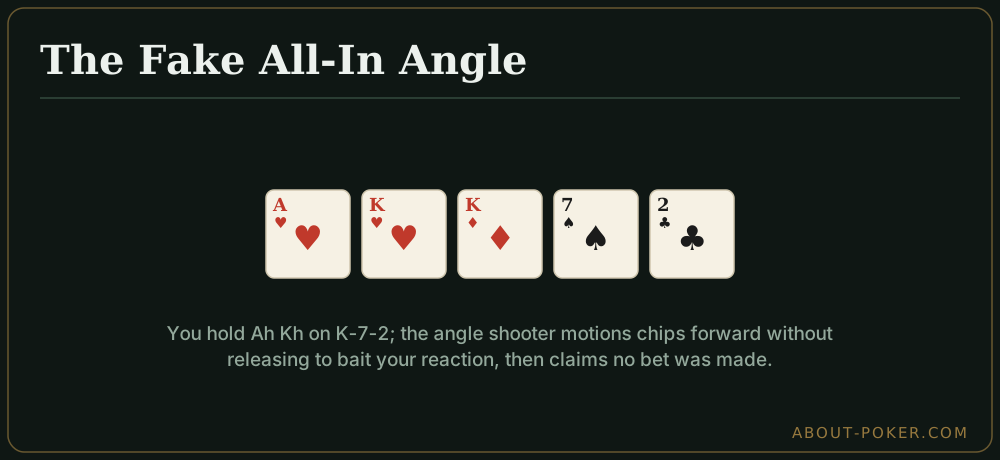
You have Ah Kh on a Kd 7s 2c flop and bet. Your opponent, holding a busted draw, pushes a tall stack forward and announces, quietly and unclearly, “all in.” You believe you’re facing a large bet and start reaching for chips to call. He immediately says, “Whoa, I haven’t put anything in yet — I was just counting.” Because his chips never crossed the betting line and his words were mumbled, the dealer can’t rule a bet occurred.
He just extracted your reaction for free. If you visibly wanted to call, he now folds his air. If you looked pained, he might barrel. That stolen information is the whole point of the angle. Understanding what a genuine all-in commitment looks like — chips fully across the line or a clear verbal declaration — is your best defense.
Why Angle Shooting Is Frowned Upon
Poker is a game of incomplete information, and the ethical baseline is that the information you hide should come from skill — bet sizing, timing, table image — not from tricking opponents about the state of the game itself. Angle shooting corrupts that baseline. It makes honest players second-guess every action and slows the game with disputes.
Rooms take it seriously. While a single ambiguous moment might earn only a warning, a documented pattern of angle shooting can get a player barred. In televised and high-stakes events, the reputational damage is often worse than any formal penalty.
How to Protect Yourself
You can shut down most angles with disciplined habits:
- Act in turn and speak clearly. Say “raise to 40” or “call,” never a trailing or mumbled statement.
- Protect your cards with a chip or card cap so they’re never assumed mucked.
- Count the stack yourself before committing, and ask the dealer for a count if a stack looks disguised.
- Never react to an opponent’s motion until the dealer confirms a bet is official.
- Call the floor immediately when something feels wrong. The ruling protects you and puts the shooter on notice.
The Bottom Line
Angle shooting is exploiting the technicalities of the rules to do something the spirit of the rules forbids. It isn’t illegal cheating, but it isn’t fair play either — and the poker community polices it hard. The best players win with reads, math, and pressure, not by baiting confused opponents. Play clearly, protect yourself, and call the floor when in doubt.
Frequently asked
What is angle shooting in poker?
Angle shooting is using unethical but technically legal moves to gain an advantage over opponents. It exploits ambiguous situations, unclear declarations, or a rival's momentary confusion rather than breaking a written rule outright.
Is angle shooting cheating?
It sits in a gray area. Angle shooting doesn't break a specific rule the way marking cards or colluding does, but it violates the spirit of fair play. Most rooms and players treat repeat angle shooters as cheats and may ban them.
What are common angle shooting examples?
Pretending to fold to induce a premature reaction, hiding high-denomination chips, making an ambiguous verbal statement to bait a call, or a fake all-in motion that isn't a real bet are all classic angles.
How do I protect myself from angle shooters?
Act clearly and in turn, protect your cards, count stacks before committing, and call the floor whenever something feels off. A dealer's or floor's ruling settles disputes and discourages repeat offenders.