What Is Slow Roll in Poker?
A slow roll is deliberately delaying showing a winning hand to needle an opponent. Why it's the worst poker etiquette breach, real examples, and how to avoid it.
On this page · 8 sections
A slow roll is when a player holding a hand they know is winning deliberately stalls before revealing it — letting their opponent think, even for a second, that they’ve won. It serves no strategic purpose. Its only function is to needle, embarrass, or frustrate the other player, which is why slow rolling is widely regarded as the single worst breach of etiquette in poker.
Unlike a tough decision that takes real thought, a slow roll is theater. The player already knows the outcome; they’re just savoring the other person’s false hope. Understanding what a slow roll is — and never doing one — is basic table respect.
What Actually Counts as a Slow Roll
The defining feature is knowledge plus delay. You must know you hold the winner and choose to stall anyway. Classic slow rolls happen at showdown when a player holds the nuts — the best possible hand — and pretends to agonize before flipping it over, sometimes even saying “I don’t think this is any good” before revealing a monster.
It also shows up in the tank before an all-in call. A player sits with pocket aces facing a shove, sighs, counts chips, asks how much it is, and stalls for a full minute of fake indecision before snapping it off. Everyone at the table knows the aces were never folding.
A Worked Example
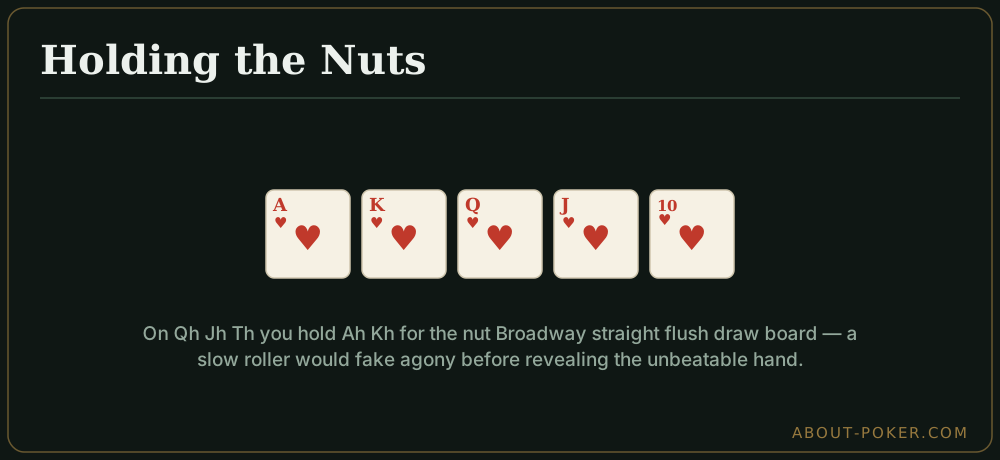
You’re heads-up on the river. The board reads Qh Jh Th 4s 2c and you shove holding Ah Kh — the nut straight, an unbeatable Broadway. Your opponent, holding Qc Qd for a set of queens, calls. You’ve won, and you know it the instant they call.
A slow roller would stare at the board, look pained, mutter “ugh, I might be beat,” slowly separate their cards, and finally reveal the Broadway straight only after the opponent has begun to smile and reach for the pot. The correct move is simply to table your hand face-up immediately: “Broadway.” Fast, clean, no theatrics.
Why the Poker World Despises It
Poker culture allows plenty of aggression — big bluffs, needling banter, ruthless value bets. What it doesn’t tolerate is cruelty at showdown for its own sake. Beating someone is fine; making them relive the loss in slow motion is not.
A slow roll differs from angle shooting in an important way. Angle shooting tries to gain an edge through technicalities; a slow roll gains nothing — you’ve already won the pot. That’s what makes it worse in many players’ eyes: it’s pure disrespect with no upside.
When Taking Time Is Perfectly Fine
Don’t confuse slow rolling with legitimate thinking. These are all acceptable:
- Genuine indecision when you’re unsure whether your hand is good.
- Counting the board in a complicated multi-way spot to be sure you read it right.
- A slow, clear reveal when you honestly don’t know if you won — for example, holding two pair on a scary four-flush board.
The line is intent. If you know you’re winning and you stall for effect, it’s a slow roll. If you’re actually uncertain, take all the time you reasonably need.
Slow Rolling Online vs Live
Live, a slow roll is a physical performance: the pained face, the slow separation of the cards, the sigh. Online there is no face to read, but the slow roll survives in a different form — running the clock. A player who holds the nuts and lets the timer tick almost all the way down before clicking call or reveal is doing the same thing, weaponizing the time bank to make the opponent sweat a decision that was never in doubt.
Chat makes it worse. Typing “hmm, tough spot” or dropping a taunting emoji before showing a monster is the online equivalent of “I don’t think this is any good.” Most sites let you disable an opponent’s chat, and many will act on reports of repeated stalling with a winning hand, but the etiquette expectation is the same as live: when you know you have the winner, act promptly and reveal cleanly. The anonymity of a screen name is not permission to be classless.
A Second Example: The All-In Tank
Slow rolling is not only a showdown crime; it also happens in the tank. Picture a tournament where you open-shove for 25 big blinds with pocket kings and get called instantly by a shorter stack. The action is now on you only in the sense that cards need turning over — there is nothing left to decide.
A slow roller in this spot pretends the call surprised them, restacks their chips, glances around, and delays flipping the kings while the caller’s aces or lower pair hang in limbo. But the hand is already all-in and dealt to conclusion; stalling changes nothing except the caller’s comfort. The clean move is to table your hand the moment the money is in. If you were the caller and genuinely could not remember your own holding, that is different — but manufacturing suspense over a decided pot is the essence of a slow roll.
Consequences and How to Avoid It
Most slow rolls don’t break a formal rule, so a dealer may only issue a warning. But the social penalty is real and lasting — players remember slow rollers, and reputation follows you across a poker room and even online. In organized play, repeated unsportsmanlike conduct can escalate to being clocked or asked to leave.
To stay clean:
- Table strong hands immediately at showdown when you know you’ve won.
- Announce your hand clearly and turn both cards face-up.
- Don’t fake-agonize before an easy call — just call.
- Save the drama for legitimately close spots where you truly don’t know the result.
The Bottom Line
A slow roll is deliberately delaying the reveal of a known winner to taunt your opponent. It gains you nothing and costs you respect. The mark of a good player at showdown is speed and courtesy: flip the winner over fast, keep it classy, and let the pot do the talking.
Frequently asked
What is a slow roll in poker?
A slow roll is when a player who knows they hold the winning hand deliberately delays turning it over, letting the opponent briefly believe they've won. It's a taunt, not a strategy, and it's considered the rudest thing you can do at a poker table.
Is slow rolling against the rules?
It usually doesn't break a written rule the way angle shooting technicalities do, but it violates etiquette badly. Repeated slow rolling can draw warnings, a clock, or in extreme cases removal for unsportsmanlike conduct.
What is the difference between a slow roll and just taking time?
Taking time to think when you genuinely aren't sure you're ahead is fine. A slow roll is when you know you have the winner — often the nuts — and stall purely to embarrass or frustrate the loser.
Why do players hate slow rolling so much?
Poker etiquette is built on respecting opponents even when you beat them. A slow roll rubs a loss in someone's face for no reason, so the whole community treats it as classless and remembers who does it.