What Is Bluff Target in Poker?
Your bluff target is the range of hands you're trying to fold out. Learn what a bluff target is in poker and how to bluff only when better hands can fold.
On this page · 9 sections
A bluff target is the range of better hands you are trying to fold out when you bluff. Just as a value bet needs worse hands willing to call, a bluff needs better hands willing to fold. Those foldable better hands are your bluff target. If you cannot picture the hands you are trying to push off the pot, your bluff has no purpose and no path to profit. Thinking in terms of bluff targets is what turns reckless betting into disciplined pressure.
The core idea
A bluff makes money when a hand that beats you folds. The hands you are aiming to fold out are your target. This mirrors the logic of a value target, just flipped: value bets want worse hands to stay, bluffs want better hands to leave. Every profitable bet is aimed at one of those two targets. A bet with neither is a leak.
Name the target before you bluff
The discipline is simple: before you bluff, name the better hands you expect to fold. If your opponent’s range is full of medium-strength hands like second pair and weak top pair, you have a rich bluff target, because those hands hate calling big bets. If their range is stacked with sets, straights, and strong top pairs that will never fold, your bluff target is thin or nonexistent, and the bluff should be abandoned.
A worked example
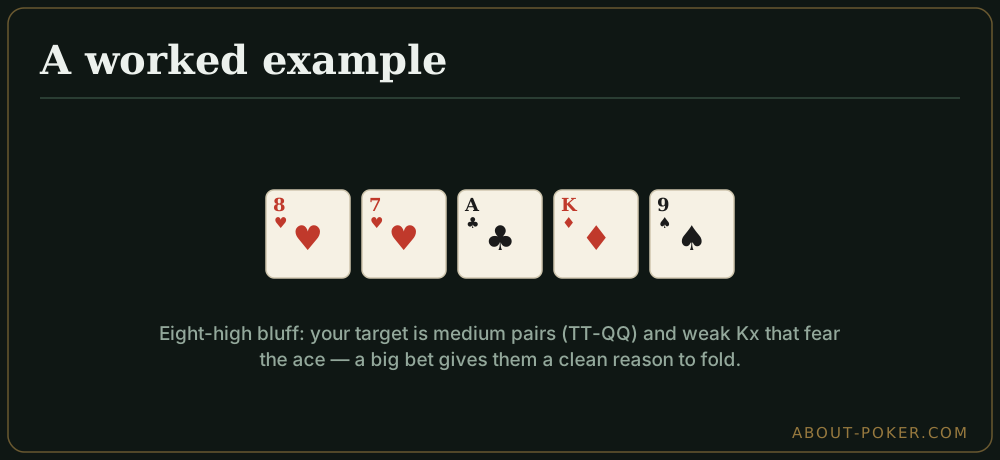
You hold 8h 7h on a final board of Ac Kd 9s 4c 2h. You have missed everything; your hand is just eight high. The pot is 100 and you are considering a river bluff.
Name your bluff target. Your opponent called the flop and turn on an ace-king board. Their range likely includes weak Ax and Kx hands, plus pocket pairs like TT, JJ, and QQ that beat your eight high but are terrified of the ace. Those middling hands are your bluff target: hands that beat you but can fold to pressure. Strong Ax and two pair will not fold, but they are a small part of the range.
Because your target is made of medium pairs and weak aces that fear a big bet, a large bet or overbet works well; it maximizes their fear and gives them a clean reason to fold. If instead their range were mostly strong aces, there would be no bluff target and you should give up.
Sizing around the bluff target
Bluff sizing follows the target. Hands like weak pairs fold more readily to bigger bets, so when your target is fragile you often bet large to apply maximum pressure. But if your target hands are the kind that call any small bet out of curiosity yet fold to a big one, sizing up is exactly right. Match the size to what will actually make the target fold.
When the target is missing
The most important skill is recognizing when there is no bluff target. On boards where your opponent’s range is uncapped and full of strong hands, or against a calling station who never folds a pair, better hands simply will not go away. Bluffing there is pure donation. Checking and giving up saves money that a hopeful bluff would burn.
Bluff target and board texture
Board texture shapes your bluff target constantly. A card that completes an obvious draw scares your opponent’s one-pair hands, expanding your target because those pairs now fear you got there. A blank river that changes nothing leaves their pairs comfortable and shrinks your target. Reading which cards frighten your opponent’s medium hands is the heart of picking good bluff spots.
Combining with blockers
Choosing which hands to bluff with often depends on blockers, but the target comes first. Once you know your target is, say, a range heavy in flush draws that missed, you prefer bluffing with hands that block the flushes your opponent might still hold as calls. The target defines the goal; blockers help you pick the best card combination to pursue it.
Common mistakes
The classic mistake is bluffing with no target, firing big into a range that cannot fold anything better. The second is bluffing the wrong opponent; even a rich theoretical target is useless against a player who calls everything. Always tie the bluff to a specific set of foldable better hands and a specific opponent capable of folding them.
Quick checklist
- Which better hands am I trying to fold out? That is my bluff target.
- Does that target actually exist, or is the range too strong to bluff?
- Will my bet size make the target fold, or just annoy it into calling?
- Is this opponent the type who can actually let a better hand go?
Frequently asked
What does bluff target mean in poker?
Your bluff target is the range of better hands you are trying to fold out when you bluff. A bluff only works if there are hands in your opponent's range that beat you but can be convinced to fold, and those hands are your bluff target.
What happens if I have no bluff target?
If your opponent's range contains no better hands that can fold, you have no bluff target and the bluff cannot work. Bluffing into a range full of strong hands that will always call just donates chips.
How is a bluff target different from a value target?
A value target is the worse hands you want to call your bet, while a bluff target is the better hands you want to fold. Value betting profits from calls; bluffing profits from folds. Every bet should aim at one target or the other.