What Is Check To Induce in Poker?
Check to induce means checking a strong hand to invite a bluff from an opponent who only bets when checked to. Learn when this trap pays off.
On this page · 7 sections
Check to induce is a trap. Instead of betting a strong hand and folding out your opponent’s weak holdings, you check — quietly inviting them to bluff at a pot they would have folded to a bet. Then you collect their chips with a check-call or check-raise. It is one of the cleanest ways to profit from aggressive, bluff-happy opponents.
The Core Idea
Some opponents cannot resist a check. When action gets passed to them, they bet — with strong hands, with draws, and crucially with total air. If you bet your strong hand into those players, you fold out all their air; they only continue with hands that can beat or chase you. But if you check, you hand them the rope. They bet their bluffs, and now you get paid by a range full of hands that would never have called a bet of your own.
That is the essence of inducing: you are trading the initiative for a wider, weaker range from your opponent. You give up the small value you might have won by betting, in exchange for the larger value of getting a busted bluff to fire into you.
A Worked Example
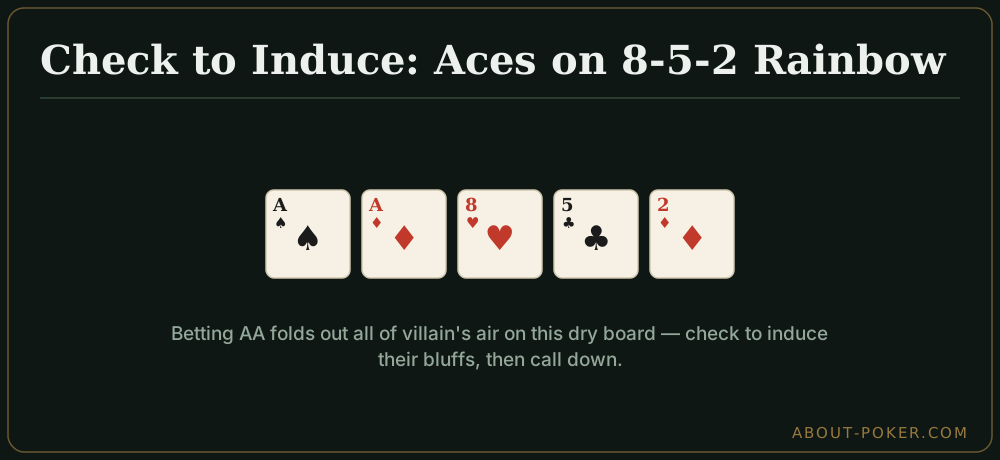
You raise pre-flop with A-A and get one caller who is a known aggressor in position. The flop comes 8-5-2 rainbow — a board that misses almost everything your opponent could be floating with. If you bet, they fold their K-Q, their J-T, their small suited connectors. You win a tiny pot.
Instead, you check. Now your opponent, seeing weakness, bets their entire air range to try to take it away — the same K-high and J-high hands that would have folded to your bet. You call. On the turn you check again; many of these players fire a second barrel. Now you have extracted two streets of value from hands that had essentially zero equity to beat your aces. That is the payoff of checking to induce rather than betting a hand that only folds out the money.
Check to Induce vs Slowplaying
The two look similar but aim at different things. A slowplay disguises a monster so that on later streets an opponent will pay you off with a genuine second-best hand — you are hiding strength to get natural value. A check to induce specifically targets your opponent’s tendency to bet when checked to. You are not waiting for them to make a hand; you are counting on them to bluff a hand that has none. Against a passive opponent who checks back their air, inducing fails — there is nothing to induce. That is why the read on your opponent matters more than the strength of your own hand.
Check to Induce vs Check to Call a Float
Note the mirror image on the other side of the table. When your opponent floats your flop bet planning to steal later, they are exploiting your tendency to give up. When you check to induce, you are exploiting their tendency to bet. Both plays turn an opponent’s habit against them; the difference is simply who has the strong hand and who is holding air.
Choosing the Follow-Up: Call or Raise
Once the induce works and your opponent bets, you decide between check-calling and check-raising. Check-calling keeps their bluffs in the pot for another street, which is best when they will keep barreling with air and would fold to a raise. Check-raising ends the hand now and is best when a card might kill your action — for instance a scare card that shuts down their bluffs — or when your opponent will pay off a raise with a strong second-best hand. As a default against a relentless bluffer, calling down and letting them hang themselves earns more than raising them off their air.
When Not to Check to Induce
Inducing fails against opponents who do not bet when checked to. If your opponent will simply check back their air and take a free card, checking gives them a free look at outs they should have paid for — turning a clean value spot into a spot where they can outdraw you. On wet boards, checking a vulnerable hand to induce can also cost you when a scare card arrives and freezes both the induce and your own value. Save inducing for dry boards, strong hands, and genuinely aggressive opponents.
Quick Checklist
- Is my opponent the type who bets when checked to and bluffs often? If no, do not induce.
- Is my hand strong enough to comfortably call two streets? Inducing only pays if you can call.
- Would betting only fold out the hands I want money from? If yes, checking to induce is likely better.
- Is the board dry enough that a free card will not wreck me? Prefer inducing on safe textures.
Check to induce turns your opponent’s aggression into your profit. Instead of betting to fold out their air, you check to invite it — then quietly take their chips.
Frequently asked
What does check to induce mean in poker?
Check to induce means deliberately checking a strong hand instead of betting it, so an opponent who would fold to a bet will instead bluff or bet a worse hand. You give up the initiative to let them put chips in with a hand that cannot call a bet.
How is check to induce different from slowplaying?
Slowplaying disguises a monster to get action on later streets. Check to induce specifically targets an opponent's bluffing tendency — you check to trigger a bet from air that would never have called your own bet, then check-call or check-raise.
When should I check to induce?
Check to induce against aggressive opponents who bet when checked to and bluff often, especially when your hand is strong enough to call comfortably and betting it would only fold out the very hands you want to profit from.