What Is Float The Flop in Poker?
Floating the flop means calling a flop bet with a weak hand to bluff a later street when the aggressor gives up. Learn when and how to float profitably.
On this page · 7 sections
Floating the flop means calling a flop bet with a hand too weak to want a showdown, purely so you can take the pot away later when the bettor gives up. You “float” over the top of their continuation bet, keep the pot alive, and pounce on the turn or river the moment they show weakness. It is one of the most reliable ways to beat players who fire the flop with everything and then quit.
The Core Idea
Most players continuation-bet the flop with a huge slice of their range — the hands that hit and the hands that missed alike. But on the turn, they only keep firing when they actually connected. That gap between how often they bet the flop and how often they barrel the turn is exactly what floating attacks. By calling the flop with a marginal hand, you deliberately keep the pot going so that when they check the turn — because they missed — you can bet and scoop it.
Floating the flop is a specific instance of the broader idea of a float: calling with intent to bluff later rather than to reach showdown. What makes it a float and not a routine call is the plan. You are not calling because your hand is good; you are calling to set up a steal.
A Worked Example
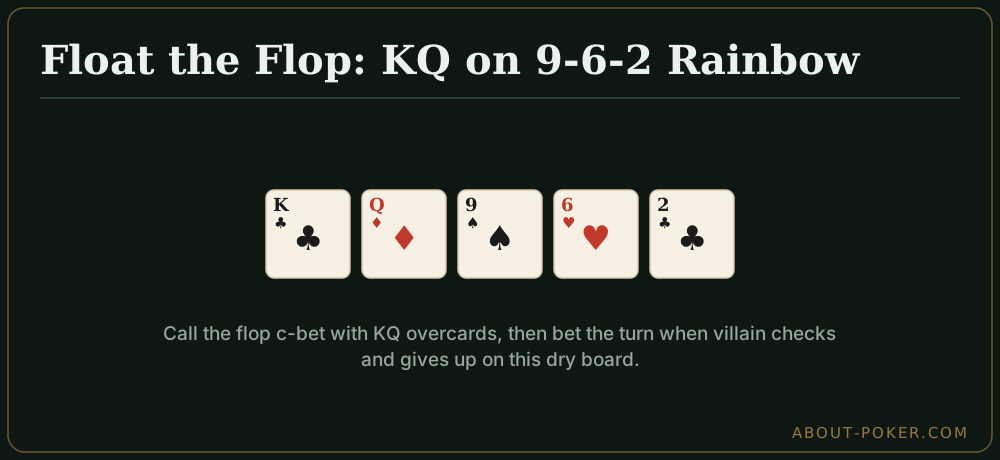
You are on the button with Kc-Qd. A tight, aggressive player raises from the cutoff and you call. The flop comes 9-6-2 rainbow. Villain fires a continuation bet as they almost always do.
Your king-high has no pair, but it has two overcards and blocks some of villain’s strong hands. Rather than folding, you float — you call. The turn is a J. Villain, who c-bet reflexively and missed this dry board, checks. Now you bet. You represent a jack, a nine you called with, or a made hand, and villain’s whiplash-missed range folds most of the time. You just won a pot with king-high by floating the flop and firing when they surrendered. As a bonus, if you had been called, you still held overcard outs to improve.
Float the Flop vs Peel
Floating and peeling overlap but differ in intent. A peel is often a call with a real draw or a hand that wants to see the next card for its own equity. A flop float is a call made mainly to bluff later, even with little showdown value. The same king-high call is a float when the plan is to bet the turn if checked to; it is closer to a peel when you are simply hoping to improve. In practice, the best flop floats combine both — a hand with some equity that also sets up a turn bluff.
What Makes a Good Flop Float
Three ingredients turn a float into a profitable play. Position is the biggest: floating out of position is far harder because you cannot see the turn action before deciding, and you cannot as easily bet when checked to. In position, you see their turn check and attack it directly.
The second is a hand with backup — overcards, a backdoor draw, or blockers to villain’s value hands. These give you outs when called and make your turn bluffs more credible. The third is the right opponent: someone who continuation-bets the flop far more often than they barrel the turn. Against a player who barrels relentlessly, floating just costs you two bets instead of one.
When Floating the Flop Fails
Floating fails against players who fire multiple barrels. If your opponent c-bets the flop and keeps betting the turn regardless of whether they hit, your flop call never gets rewarded with a checked-to turn — you simply face another bet with a weak hand. It also fails on wet, connected boards where the villain’s turn barreling range stays strong and where a “scary” turn card actually helps their range more than yours. Save floats for dry flops, position, and opponents who give up.
Common Mistakes
The first mistake is floating out of position and then not having a plan when they bet again. Without position you lose the free look that makes floating work. The second is floating with total air on wet boards, where you have neither outs nor a credible turn to represent. The third is floating a habitual multi-barreler — the one opponent type against whom the play loses money.
Quick Checklist
- Am I in position? Flop floats are far stronger with the last word on the turn.
- Does my opponent c-bet a lot but barrel the turn rarely? That gap is what floats exploit.
- Does my hand have backup equity or useful blockers? Prefer floats with outs.
- Can I credibly represent a strong hand on likely turns? If not, floating is thin.
Floating the flop turns a weak hand into a weapon: you call to keep the pot alive, then take it away the moment the aggressor gives up. Pick position, the right board, and the right opponent, and it becomes one of your most consistent pot-winners.
Frequently asked
What does floating the flop mean in poker?
Floating the flop means calling a flop continuation bet with a weak or marginal hand, planning to take the pot away on the turn or river when the bettor checks and gives up. You call to set up a bluff, not because your hand wants a showdown.
When should I float the flop?
Float the flop in position against opponents who continuation-bet a lot but barrel the turn rarely. You want position, a hand with some backup equity or blockers, and a turn you can credibly represent.
Why float the flop instead of raising?
Floating keeps the pot smaller and keeps the aggressor's bluffs in their range for another street. Raising the flop can fold out those bluffs immediately; floating lets you win the pot cheaply on the turn when they check and surrender.