What Is Peel One in Poker?
Peel one means calling a single bet to see one more card, then reevaluating. Learn when peeling one street is profitable and when to fold instead.
On this page · 7 sections
Peel one means calling exactly one bet to see one more card, then reevaluating. It is a deliberately small commitment — you are not signing up to call the turn and river, you are paying a modest price to see the next card and deciding again with new information. Learning to peel one street correctly, and to let go afterward when the card misses, separates disciplined players from those who talk themselves into calling all the way down.
The Core Idea
Poker is played one street at a time, and you never have to decide the whole hand at once. “Peel one” captures that mindset: face a bet, call once, and keep your options open. The word “peel” comes from peeling off a single card — you take one card and reassess. Crucially, peeling one is a plan with a built-in checkpoint. You are calling now specifically so you can make a better-informed decision on the next street, not because you have committed your stack.
The value of peeling one comes from cheap information and retained equity. A single call keeps you in the pot, lets you see whether your draw completes or your hand improves, and lets you fold cheaply when the next card and the next bet tell you to.
A Worked Example
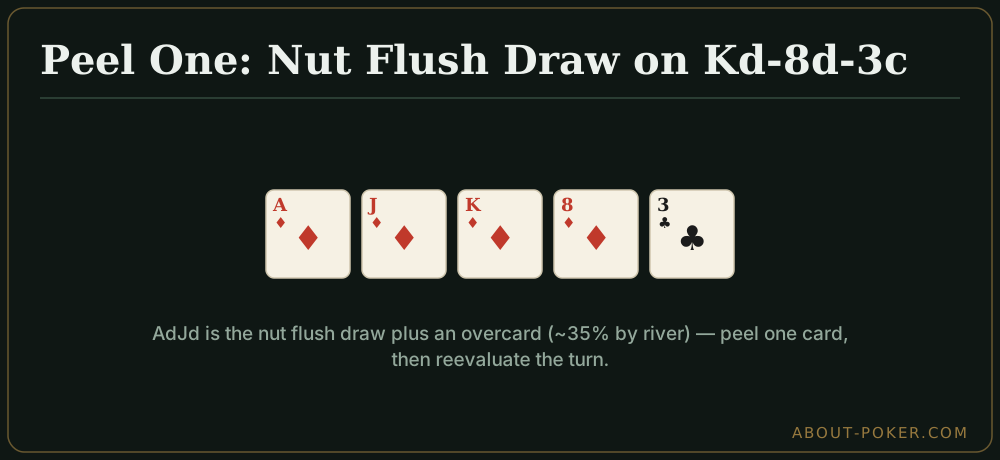
You hold Ad-Jd in the big blind and call a raise. The flop is Kd-8d-3c, giving you the nut flush draw plus an overcard. Villain bets. You peel one — you call to see the turn.
Here the peel is easy to justify. A flush draw has nine outs, roughly 35% equity to hit by the river and about 19% to hit on the turn alone. Add your ace as a potential overcard out and you have a hand with real drawing potential. You call one bet, see the turn, and reevaluate: if a diamond falls you are likely best and can raise or bet; if it bricks and villain fires a large second barrel, you can fold, having risked only one street. That is peeling one — pay for one card, then decide again.
Peel One vs Committing to Call Down
The danger in peeling is treating a one-street call as a full commitment. Peeling one means you are allowed — often required — to fold on the next street when the card misses and the price gets worse. Players who “peel one” and then feel obligated to call the turn and river out of stubbornness lose far more than the peel itself costs. Before you call, know your outs and know which turn cards let you continue. If the turn bricks and the bet is large, folding is the disciplined follow-through, not a leak.
Peel One vs Float
Peeling one and floating the flop are both single-street calls, but the intent differs. When you peel one, you usually call because your hand has genuine equity — a draw, overcards, a marginal pair — and wants to see a card for its own sake. When you float, you call mainly to bluff a later street even with little showdown value. The line blurs when a hand does both, but the question “am I calling for my equity, or to steal later?” tells you which you are doing. See the broader idea of a peel for how the term is used across streets.
When Peeling One Is Correct
Peel one when three things line up. Your hand has equity or upside — a draw, live overcards, or a made hand with room to improve or to be good at showdown. The price is reasonable relative to that equity and the chips left to win. And you have position, or at least a clear plan for the next street, so the single call actually buys you a better decision. Position makes peeling far stronger because you see the next action before committing more.
Common Mistakes
The first mistake is peeling with no equity and no plan — calling “to see a card” with a hand that has neither outs nor a way to win later. That is just donating one bet. The second is peeling and then calling down anyway, ignoring the checkpoint the peel was supposed to create. The third is peeling out of position against an aggressive barreler, where the single call frequently turns into a series of tough spots with no information advantage.
Quick Checklist
- Does my hand have real equity or clear upside to justify one more card?
- Is the price right for the equity I hold and the chips left to win?
- Do I have a concrete plan for which next cards I continue on and which I fold?
- Am I willing to fold on the next street when the card misses? If not, do not peel.
Peel one is the art of buying a single card cheaply and reassessing with fresh information. Do it with equity, a plan, and the discipline to fold when the peel does not pay off, and it becomes one of the most cost-effective tools in your game.
Frequently asked
What does peel one mean in poker?
Peel one means calling a single bet to see exactly one more card, then reevaluating on the next street. You are not committing to call multiple streets — you are paying to see one card cheaply and deciding again afterward.
When should I peel one card?
Peel one when you have a hand with some equity or potential — a draw, overcards, or a marginal made hand — the price is right, and you have a clear plan for what turns or rivers you continue on. Position makes peeling much easier.
What is the difference between peel one and floating?
Peeling one usually means calling because your hand has real equity or wants to see a card. Floating means calling mainly to bluff a later street. Both are single-street calls, but the intent differs — value or draw versus setting up a steal.