Playing Overpairs on Wet Boards
An overpair on a wet board is vulnerable, not invincible. Learn how to size bets, when to fold, and how to protect against draws with a worked hand.
On this page · 6 sections
An overpair — a pocket pair higher than the board, like queens on a 9-8-2 flop — feels like a monster. On a dry board it usually is. On a wet, draw-heavy board it is something more dangerous: a strong hand with a thin and shrinking edge. The board texture doesn’t change your cards, but it completely changes how much your cards are worth. Playing overpairs well on wet boards is really about respecting that your one-pair hand is vulnerable, and betting and folding accordingly.
Why wet boards shrink your edge
On a dry board like K-7-2 rainbow, an overpair is a huge favorite — there are almost no draws to worry about. On a wet board like 9-8-2 with two of a suit, everything changes. Now opponents can hold flush draws, open-ended straight draws, and combo draws. As covered in playing combo draws, a big combo draw can have 54% equity — meaning your “monster” overpair is actually the underdog against it. Your hand is still ahead of most single pairs and all high-card hands, but its equity edge is thin, and it evaporates on every flush- or straight-completing turn. This is the essence of wet vs dry board texture.
Bet bigger to charge draws
The main adjustment on wet boards is sizing up. Where a dry board might take a 33% c-bet, a wet board wants 66 to 100% pot. The logic: draws are the hands you most want to charge, and a big bet makes them pay a bad price to continue. If a flush draw has roughly 36% equity to complete by the river, you want them putting in more than their fair share of the pot to chase it. A small bet does the opposite — it hands them a cheap card and lets them realize their equity almost for free.
Betting big also protects you. Denying equity is worth real money against hands that would draw out for free otherwise. This is the offensive side of protection that complements the defensive skill of pot control in poker.
Know when to slow down and fold
Here’s the discipline most players lack: an overpair is a one-pair hand, and one pair is foldable. When the obvious draw completes and a previously passive opponent suddenly commits a big bet or check-raises, your overpair is frequently beaten. The turn card and the action together tell the story. If the flush arrives and a tight player jams, you’re usually up against the flush or two pair — folding your overpair is the correct, disciplined play. The broader framework for these decisions is in playing overpairs postflop.
Pot control also matters. Against a hand that could be a set or that has you drawing thin, don’t blow up the pot — betting three big streets with a bare overpair into obvious strength turns a strong hand into a stack-losing one.
A worked hand
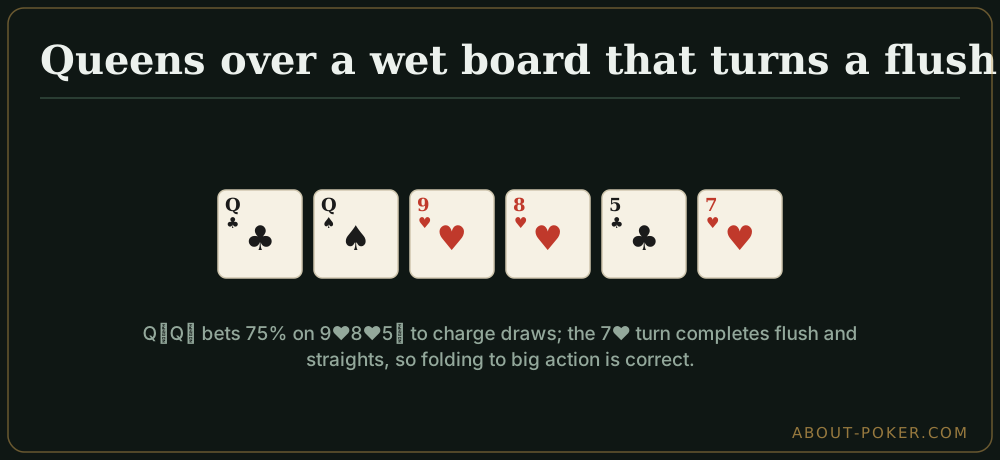
You open Q♣Q♠ from middle position and the big blind calls. Flop is 9♥8♥5♣ — a very wet board with a flush draw and multiple straight draws live. You have an overpair, but this texture is loaded against you. You bet large, 75% pot, to charge the flush and straight draws the maximum. The big blind calls, consistent with a draw, a pair-plus-draw, or a worse made hand.
Turn is the 7♥, a brutal card: it completes the flush and also fills straights (J-T, 6-4, etc.). The big blind now leads out big. Freeze and read the runout: nearly every draw just got there, and a passive caller who suddenly bets into you on this card is rarely bluffing. Your queens beat almost nothing that’s betting here. This is a fold. On a dry turn like the 2♦, your queens would still be strong and you’d bet again for value — but the 7♥ changed everything. The skill was betting big on the flop to charge the draws, and then having the discipline to release when the very card you feared arrived with big action behind it.
Common mistakes
- Betting small on wet boards. Tiny c-bets give draws a free ride and cost you when they hit.
- Never folding an overpair. Treating queens as unfoldable on a completed-draw board into big action is a classic stack-off leak.
- Bloating the pot into obvious strength. Firing three streets with a bare overpair against a range full of sets and draws that got there loses stacks.
- Ignoring opponent tendencies. A station’s raise means less than a nit’s raise — size and fold based on who’s betting.
Wet-board overpair checklist
- How wet is this board — how many draws are live against me?
- Am I sizing up enough to charge those draws a bad price?
- Did the turn or river complete an obvious draw?
- Is the opponent’s aggression consistent with a draw getting there?
- Given all that, is this a bet-for-value, a pot-control check, or a fold?
An overpair on a wet board is strong but never invincible. Bet it big to protect it, extract from the draws, and then have the discipline to let it go when the board and the action both tell you it’s beaten.
Frequently asked
How do you play an overpair on a wet board?
Bet larger to charge draws and deny equity, but be ready to slow down when the board completes obvious draws or an aggressive opponent raises. A wet board turns an overpair from a clear favorite into a vulnerable one-pair hand that needs protection and careful pot control.
Should you fold an overpair on a wet board?
Sometimes yes. When the flush or straight completes and a passive opponent suddenly puts in big money, an overpair is often beaten. Overpairs are a one-pair hand — strong, but foldable when the runout and the action both scream that a draw got there.
What bet size should an overpair use on a wet flop?
Size up on wet boards — around 66 to 100% pot — to charge draws the maximum and protect your equity. Small bets on draw-heavy textures give flush and straight draws a cheap card, which costs you when they hit.
Why are overpairs vulnerable on wet boards?
Because a wet board gives opponents many ways to draw out — flush draws, straight draws, and combo draws that can have 50% or more equity against your overpair. Your hand is still ahead now, but its equity edge is thin and shrinks on bad turn cards.