Thin Value on the River
How to extract thin value on the river: what a thin value bet is, how to size it, which hands qualify, and how to avoid turning value into a bluff.
On this page · 6 sections
Thin value is the art of getting paid with hands that aren’t strong enough to feel comfortable betting — a second pair, a weak top pair, an underpair that’s still ahead of a bluff-catching range. Most players check these hands on the river and give up the profit. A good player recognizes when a marginal holding is still ahead of the hands that will call, bets small, and books an extra bet again and again. Thin value on the river is where a lot of long-term win rate quietly comes from, and it’s one of the clearest markers of a strong player.
What makes a bet “thin” value
A value bet is any bet that gets called by worse more often than by better. It becomes thin when that margin is small — you’ll be called by a worse hand maybe 55 percent of the time and a better one 45 percent. You’re still profiting, but only just, so the execution has to be precise. The foundational idea of betting to get called by worse is covered in value betting in poker; thin value is simply pushing that principle to its edge with medium-strength hands most players would check back.
Sizing thin value bets
Size is everything with thin value. Because the hands you beat are weak, they’ll only call a small bet. A quarter to a third of the pot keeps the worse pairs and ace-high curious enough to look you up; a big bet folds all of them and only gets called by hands that have you crushed, which converts your value bet into a mistake. The rule of thumb: the thinner the value, the smaller the sizing. You’re not trying to build a huge pot — you’re trying to squeeze one more small bet out of a hand that would otherwise show down for free.
Position and opponent matter enormously
Thin value is far easier in position. Acting last, you get to bet only when checked to, and you avoid the disaster of betting into a check-raise you can’t call. Out of position you have to bet blind into a range that might raise you, so you go for thin value much less. Opponent type matters just as much: calling stations are a thin-value goldmine because they look you up with any pair, while aggressive players punish thin bets by raising you off marginal hands. Against those aggressive players, checking to induce a bluff — a concept related to blocking bets on the river — often makes more than betting. Match the tactic to the table.
A worked example
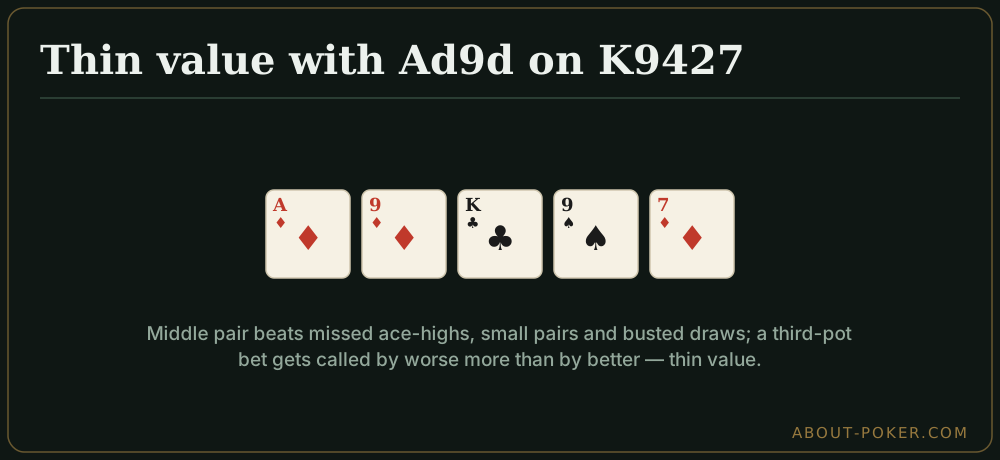
You call a raise in position with Ad 9d, and the board runs out Kc 9s 4h 2c 7d. You have middle pair, second-best-looking but genuinely ahead of a lot of hands. The preflop raiser checks the river to you. Their range here is full of missed ace-high, small pairs like sixes and eights, and busted draws — all of which your pair of nines beats — plus some kings that beat you. If you bet a third of the pot, the pairs below nines and some stubborn ace-highs will call, and only the kings and better nines will raise or beat you. Because worse hands call more than better hands do, this is a profitable thin value bet. Betting pot-sized here would be a blunder: everything you beat folds, and only kings call. The small bet is what makes the value real.
The line between value and turning your hand into a bluff
The danger with thin value is misjudging the direction. If you bet a hand and the only hands that call are better than yours, you haven’t made a thin value bet — you’ve turned your showdown-value hand into a bluff and lost the pot you’d have won by checking. Before betting thin, honestly picture the calling range: list the worse hands that call and the better hands that call, and only fire if the worse list is longer. When you’re unsure, checking back and taking the free showdown is the safer play. The broader river decision tree, including when to check versus bet, is laid out in how to play the river.
A quick checklist for thin value
Run through this on every river: Am I in position to bet safely, or out of position and exposed to a raise? Is my opponent a station who calls light, or an aggressor who’ll blow me off my hand? When I picture the calling range, do more worse hands call than better ones? Have I sized small — a quarter to a third of the pot — to keep the weak hands in? And do I have a clean fold if I get raised? When the answers point to yes, fire the small bet. Get thin value right consistently and you’ll extract profit from medium hands that most of your opponents simply throw away.
Frequently asked
What is a thin value bet?
A thin value bet is a river bet with a hand that's only slightly ahead of the range that will call — you expect to be called by worse more than half the time, but only barely. It's how you squeeze extra profit out of medium-strength hands that many players just check.
How big should a thin value bet be?
Small — typically a quarter to a third of the pot. A small size keeps worse hands in and lets you get called by the marginal holdings you beat, whereas a big bet folds them out and only gets action from hands that beat you.
How do I know if a bet is value or a bluff?
Ask whether worse hands will call you more often than better hands. If yes, it's value, even if thin. If a bet only gets called by hands that beat you and folds out everything worse, it's not value at all — it's turning your hand into a bluff.
When should I not go for thin value?
Skip it out of position against aggressive players who will raise you off your hand, on boards where your medium hand is easily beaten, and when checking captures more by inducing bluffs. Thin value is best in position against calling stations.