Thin Value vs Checking Back
Thin value bet or check back? Learn how to decide when a marginal made hand should bet the river for value and when checking behind saves you from getting raised.
On this page · 6 sections
You reach the river with a hand that’s probably best but not by much. Do you squeeze out a little more with a thin value bet, or check back and take the free showdown? This decision, thin value vs checking back, is where good players quietly out-earn everyone else, collecting extra bets from second-best hands while avoiding the traps that punish reckless value betting. The line depends on whether worse hands will actually call.
The one question thin value asks
A value bet is thin when it beats only a narrow band of the calling range. The entire justification is that enough worse hands will call to outweigh the times a better hand calls or raises. So the governing question is: when I bet, will more worse hands call than better hands? If yes, bet. If no, check.
That sounds obvious, but players get it backwards all the time. They bet a middling hand, get called only by better, and fold out all the worse hands that would have bluffed or paid a check. Checking back captures the same showdown value against those worse hands for free and lets your opponent bluff into you with air, which betting would have chased away. Our guide to thin value on the river works through the range comparison in detail.
A worked example with second pair
You raise Ah Ts on the button, the big blind calls. The flop is Kd Th 4c, giving you middle pair. You c-bet, get called. The turn is the 2s, you check back to control the pot. The river is the 5d. You have tens, second pair, and it’s checked to you.
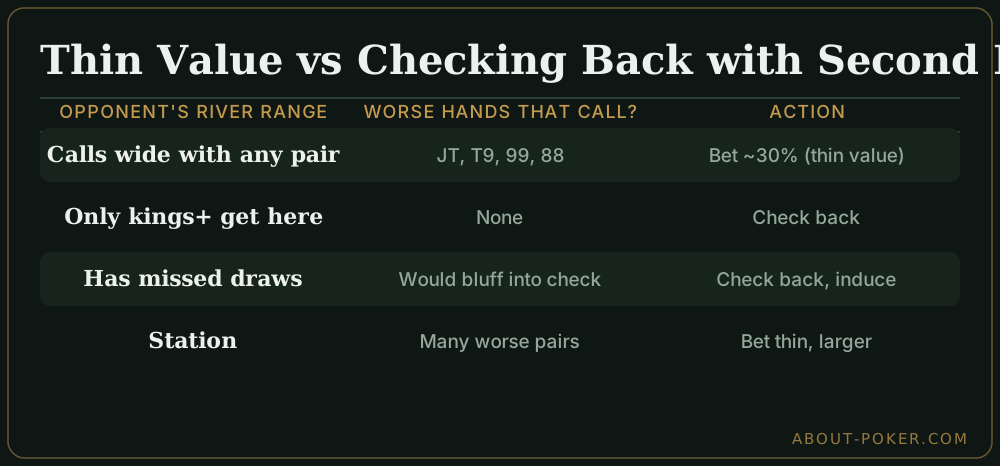
Bet thin or check back? Ask what calls a small bet. Worse hands that can pay you off include weaker tens like KTx would have raised so more like JT or T9, plus missed draws that turned into pairs and stubborn pocket pairs below tens (99, 88, etc.). If your opponent is the kind who calls rivers wide with any pair, a small quarter-pot bet gets value from all of those. That’s a good thin value bet. But if your opponent only continued to the river with kings or better and folds everything weaker, betting just folds out air and gets called by better; check back and win at showdown against the missed draws he’d have folded. Same hand, opposite plays, decided by the calling range.
Sizing thin value correctly
Thin value bets want to be small. A quarter to a third of the pot keeps the weak hands you’re targeting in the pot and limits your losses on the rare occasion you’re behind or get raised. A big bet defeats the purpose: it folds out exactly the marginal hands you were trying to get paid by and only gets called by hands that beat you.
The sizing logic flows from the goal. You’re not trying to charge draws or deny equity on the river; the hand is over. You’re trying to induce a call from a hand that would fold to a bigger bet. Small and cheap gets that call. For how sizing maps to hand strength across the streets, see value bet sizing.
When checking back is the higher-EV play
Checking back is not weakness; it’s a tool. Check back when few worse hands can call, when the board favors your opponent’s range so your marginal hand is more often behind, or when you’re out of position equivalents where a bet invites a check-raise you can’t call. Checking also lets you catch bluffs: an opponent who would fold to your bet may fire a bluff into your check, and you get to call with the same hand you were going to bet, winning more.
Position makes this easier. In position on the river, checking behind guarantees a showdown at zero cost, so any hand too weak to value bet but strong enough to win a checkdown simply checks. Out of position the calculus shifts because checking hands control to your opponent, a nuance covered in how to play the river.
Common mistakes
The most common error is value betting into a range that only continues with better, hoping to “get value” from hands that never existed. The result is a bet that folds worse and gets called by better, the worst outcome in poker. The mirror-image mistake is checking back winners that would have been called by worse, leaving money on the table out of timidity. Both come from failing to picture the actual calling range.
A subtler leak is ignoring the opponent. A calling station widens your thin value range dramatically, because worse hands call constantly; against them, bet thinner and more often. A tight player who folds all his worse hands narrows it, because there’s nothing left to get value from; against them, check back more.
A quick decision checklist
Ask: If I bet, do more worse hands call than better hands? Will a small size keep the weak hands in? Does the board favor my range or my opponent’s? Would checking let my opponent bluff into me with hands I beat? What type of caller is this, station or nit?
When worse hands will call, fire a small thin value bet and collect. When they won’t, check back, take the free showdown, and let the bluffs come to you. The discipline to bet thin only when the calling range cooperates, and to check when it doesn’t, is a quiet, repeatable edge that adds up over thousands of rivers.
Frequently asked
What is a thin value bet?
A thin value bet is betting a marginal made hand that only beats a small slice of your opponent's calling range, expecting to get called by enough worse hands to show a profit. It targets second-best hands that will pay you off, not the top of your opponent's range.
When should I check back instead of thin value betting?
Check back when few worse hands can call, when better hands will raise or call, or when the board and opponent make a bet more likely to be exploited than paid off. If a bet mostly folds out worse and gets called by better, checking wins you the same showdown for free.
How big should a thin value bet be?
Size thin value bets small, often a quarter to a third of the pot. A small size keeps weaker hands in and reduces how much you lose when you run into the occasional better hand or a raise.