What Is Alpha Frequency in Poker?
Alpha frequency is how often a bluff must succeed to break even: bet ÷ (pot + bet). Learn the formula, the MDF link, and a worked example you can use at the table.
On this page · 6 sections
Alpha frequency is the single most useful number a bluffer can carry in their head. It answers one question precisely: how often does my opponent have to fold for this bluff to break even? Once you can compute alpha at the table, you stop bluffing on feel and start bluffing on math. The formula is short, the intuition is powerful, and the payoff is fewer spewed chips and more clean, profitable bluffs.
The alpha frequency formula
Alpha equals your bet size divided by the pot after your bet is added:
alpha = bet ÷ (pot + bet)
This is the same core idea as alpha — many players use “alpha” and “alpha frequency” interchangeably. The output is a percentage: the minimum share of the time your opponent must fold for the bluff to at least break even. If they fold more than alpha, you print money; if they fold less, the bluff loses in the long run.
Notice what the formula does not include: your own cards. Alpha frequency is a pure risk-versus-reward calculation. You risk your bet to win the current pot, so the break-even fold rate depends only on those two numbers.
Common bet sizes and their alpha
Because the formula depends only on bet-to-pot ratio, you can memorize the handful of sizes you actually use:
- Half pot (0.5x): alpha = 0.5 ÷ (1 + 0.5) = 33 percent. They must fold a third of the time.
- Two-thirds pot (0.67x): alpha = 0.67 ÷ 1.67 = 40 percent.
- Full pot (1x): alpha = 1 ÷ 2 = 50 percent.
- Overbet, 1.5x pot: alpha = 1.5 ÷ 2.5 = 60 percent.
The pattern is intuitive: bigger bets risk more, so they need to work more often. A small bet only needs to fold out a sliver of your opponent’s range; an overbet needs to fold out the majority.
A worked example
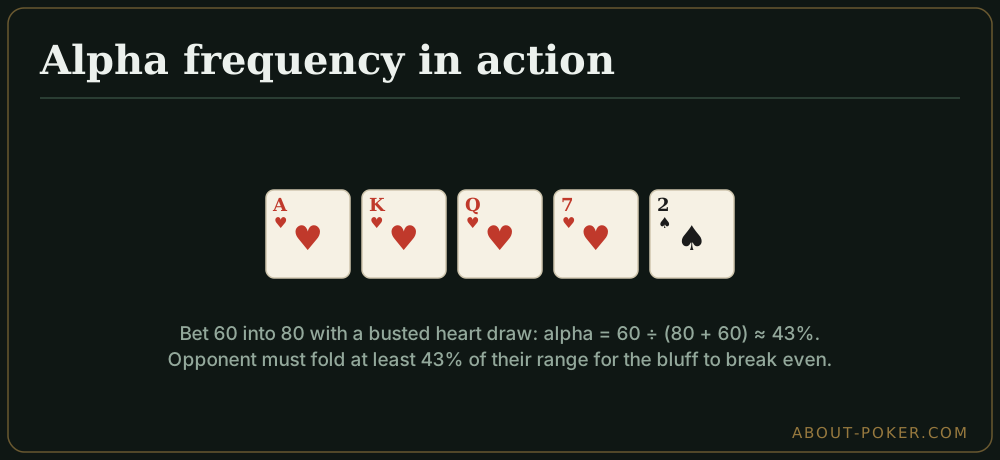
You bluff the river with a busted flush draw. The pot is 80 and you bet 60. Your alpha frequency is:
alpha = 60 ÷ (80 + 60) = 60 ÷ 140 ≈ 43 percent.
So your opponent must fold at least 43 percent of the time for this 60-chip bluff to break even. Now you reason about their range. Say they arrive at the river with 10 combinations: 4 that beat you and always call, and 6 marginal bluff-catchers. If they fold even half of those 6 marginal hands, that is 3 folds out of 10, or 30 percent — below your 43 percent threshold, so the bluff loses. But if the river card scares them into folding 5 of the 6 marginal hands, that is 50 percent, comfortably above 43 percent, and the bluff is profitable. Alpha turns a vague read into a clear go/no-go line.
Alpha frequency and MDF are two sides of a coin
The mirror image of alpha is minimum defense frequency (MDF), the amount a defender must continue to keep a bluffer indifferent between bluffing and giving up. The relationship is exact:
MDF = 1 − alpha
If alpha is 43 percent, then MDF is 57 percent — the defender must call or raise with at least 57 percent of their range or the bluffer can profitably bet any two cards. This is why big bets pressure opponents so hard: an overbet with 60 percent alpha only requires the defender to hold 40 percent MDF, but each fold beyond that hands the bettor free money. Understanding both numbers together is the heart of indifference, the balancing point that GTO play is built around.
How to use alpha frequency at the table
You will rarely compute this to the decimal mid-hand, so build shortcuts:
- Anchor to your default sizes. If two-thirds pot is your standard bet, just remember 40 percent and estimate whether the villain folds more or less than that.
- Estimate the villain’s fold rate, not their cards. Ask “what fraction of the hands they got here with will fold to this size?” Compare it to alpha.
- Size your bluffs to your fold equity. Against a station who folds rarely, small bluffs with low alpha are the only ones that clear the bar — or you give up entirely. Against a fit-or-fold opponent, larger bluffs with higher alpha still profit because they fold so often.
Common mistakes with alpha
The biggest error is ignoring alpha entirely and bluffing because a hand “has nothing.” A busted draw is not a reason to bet; a fold rate above alpha is. The second mistake is confusing alpha with equity. A bluff that has zero chance of winning at showdown can still be hugely profitable if alpha is low and the villain over-folds — and a bluff with some equity can be a losing bet if the villain never folds. Keep the two ideas separate. Finally, players forget that alpha assumes a pure bluff with no showdown value; when your hand can sometimes win by checking, the break-even fold rate you need is higher, because betting also gives up that showdown equity. Master the clean case first, then layer in the nuance.
Frequently asked
What is alpha frequency in poker?
Alpha frequency is the fraction of the time a bluff must succeed to break even. It equals bet ÷ (pot + bet). If your opponent folds at least that often, your bluff is at worst break-even and usually profitable.
How do you calculate alpha frequency?
Divide the size of your bet by the sum of the pot plus your bet: alpha = bet ÷ (pot + bet). A pot-sized bet gives alpha of 1 ÷ 2 = 50 percent, meaning the bluff must work half the time.
Is alpha frequency the same as MDF?
They are opposite sides of the same coin. Alpha is the fold percentage a bluff needs; minimum defense frequency (MDF) is 1 minus alpha, the percentage the defender must continue with to stop the bluffer from profiting automatically.