What Is Bet To Fold Out in Poker?
Betting to fold out means wagering to make better draws or overcards give up their chance to outdraw you. Learn how this equity-denial bet works.
On this page · 7 sections
Betting to fold out is one of poker’s most misunderstood reasons to put chips in the pot. You are not betting because you want a call and you are not betting as a pure bluff. You are betting to make hands that could still beat you — flush draws, straight draws, overcards — give up their chance to catch a card that outdraws you. In coaching shorthand, you are “charging the draw” or “denying equity.”
The Core Idea
When you have the best hand right now but the board is wet, every free card is a risk. A bare flush draw has roughly 36% equity to complete by the river, and two overcards to your pair can hit around a quarter of the time. If you check and let those hands see cards for free, they realize all of that equity. When you bet and they fold, they realize none of it — that fold captures the equity that would otherwise have been theirs.
That captured equity is the whole point. A bet to fold out wins in two ways: sometimes the draw folds and you scoop the pot immediately, and sometimes it calls but you still hold the best hand and got paid. Both outcomes beat the alternative of checking and giving your opponent a free shot at cracking you.
A Worked Example
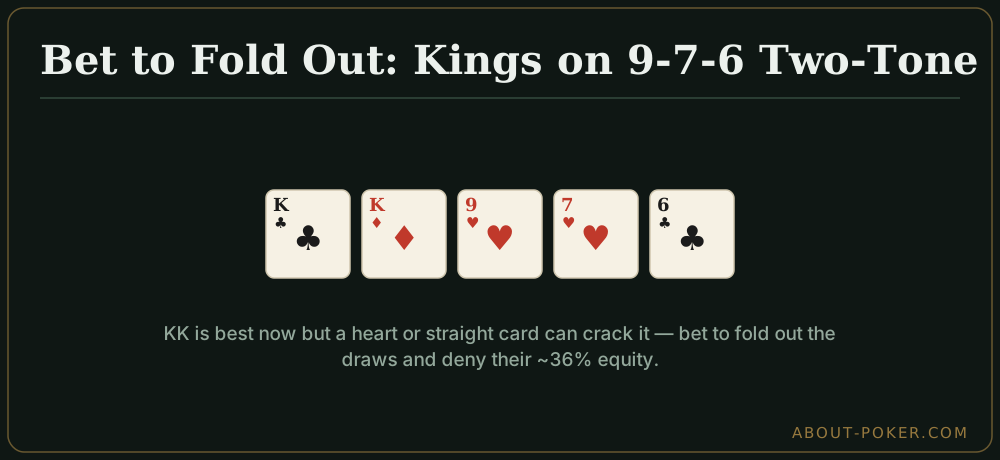
You hold K-K on a flop of 9-7-6 with two hearts. Your kings are almost certainly the best hand, but this board is soaked. An opponent could have a flush draw, an open-ended straight draw, or a combo draw with both. If you check, any of those hands sees a free turn — and a combo draw can have more than 50% equity against you.
So you bet. Say the pot is 10 and you bet 8. A lone flush draw facing that price needs its call to be profitable; many players simply fold marginal draws, and every fold hands you their equity. If they call, fine — you still have the best hand and you have grown a pot you are usually winning. That is a textbook bet to fold out: primarily equity denial, with value as a bonus.
How It Differs From Pure Value
A pure value bet wants worse hands to call — that is the entire source of its profit. A bet to fold out is content, even happy, when the vulnerable hand folds. The two often overlap: a bet with a strong-but-vulnerable made hand extracts value from worse pairs and denies equity to draws at the same time. But the mindset matters. If you frame your kings above as “I hope they call,” you may size too small and let a cheap draw peel. If you frame it as “I want to charge or fold out the draws,” you size big enough to make chasing a mistake.
This Is a Protection Bet by Another Name
Bet to fold out is closely tied to the idea of a protection bet: a wager whose main job is shielding a made hand from being outdrawn. The label “bet to fold out” just emphasizes the desired reaction — you want the opponent’s draw to fold. When they do, you protected your hand for free relative to the pot you now own.
When It Works and When It Backfires
It works best when three things are true. You likely have the best hand. The board is vulnerable, so free cards genuinely threaten you. And your opponent is capable of folding draws and floats rather than peeling everything. Against a station who never folds a draw, you cannot fold them out — so your bet reverts to a straightforward value-and-protection bet, and you should size it to charge the draw a bad price rather than to force a fold that will not come.
It backfires when you bet vulnerable hands into ranges that only continue with better. If your “protection bet” only gets called by made hands that beat you, you are not folding out draws — you are turning a check-and-showdown hand into a losing bet. Against such ranges, controlling the pot is better than firing.
Sizing to Deny Equity
Since the goal is to make chasing unprofitable, size matters. A tiny bet gives a flush draw a cheap call and denies almost no equity. A larger bet — often two-thirds pot or more on a very wet board — makes the draw pay a bad price and folds out the weaker chasers entirely. The wetter the board and the more equity the drawing hands hold, the bigger you should bet to fold them out.
Quick Checklist
- Do I likely have the best hand right now? If no, this is a bluff, not a bet to fold out.
- Is the board wet enough that free cards genuinely threaten me? If no, I can often just check.
- Will my opponent actually fold draws and floats? If no, size to charge them, not to fold them.
- Am I sizing big enough to make chasing a mistake? If not, increase the bet on wet textures.
Betting to fold out reframes a defensive worry — “they might draw out on me” — into a proactive plan: charge the draw, deny the free card, and win the equity that would otherwise leak away.
Frequently asked
What does bet to fold out mean in poker?
It means betting specifically to make hands that could still improve and beat you give up rather than see another card for free. You are not betting purely for value or as a pure bluff; you are betting to deny opponents the chance to draw out on you.
How is betting to fold out different from a value bet?
A pure value bet wants worse hands to call. A bet to fold out is happy to win the pot right now against draws and overcards, and any calls from worse hands are a bonus. The main goal is denying equity, not extracting chips.
When should I bet to fold out?
Bet to fold out when you likely have the best hand but it is vulnerable — a decent made hand on a wet board where free cards could beat you. It works best against opponents who fold their draws and float less often.