What Is Delayed Cbet in Poker?
A delayed cbet is checking the flop as the preflop raiser, then betting the turn. Learn why it works, which hands to use it with, and when to fire.
On this page · 6 sections
A delayed cbet is when you are the preflop raiser, you check the flop instead of firing a continuation bet, and then you bet the turn. The bet is “delayed” by one street. It sounds like a small adjustment, but it is one of the most useful tools for balancing your play, realizing equity cheaply, and punishing opponents who read a flop check as surrender.
The Core Idea
When you raise preflop and get called, betting every single flop is predictable and often unprofitable. Some boards favor the caller. Some of your hands do better by controlling the pot. And if you only ever check the flop with garbage, observant opponents will run you over whenever you check. The delayed cbet fixes all three problems at once: you check the flop with a mix of hands, then take the initiative back on the turn when the situation improves.
By putting medium-strength hands, slow-played monsters, and backdoor draws into your flop-checking range, you make that range far tougher to attack. Then, when a good turn card arrives or the opponent checks again, you bet — often getting more folds than a flop c-bet would have, because your opponent has already started to picture you as weak.
A Worked Example
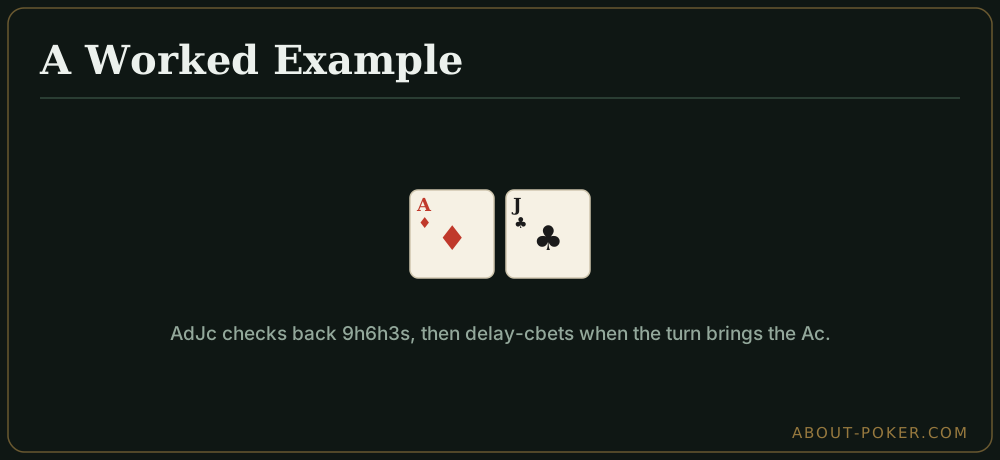
You raise from the cutoff with Ad Jc and the big blind calls. The flop is 9h 6h 3s. This board connects with a lot of the big blind’s calling range — suited connectors, small pairs, nine-x — and your ace-high has no pair. A flop c-bet here often gets called or raised by better hands. So you check back, keeping your ace-high’s showdown value and controlling the pot.
The turn is the Ac. Now you have top pair, top kicker, and the board picked up no additional draws that beat you. This is a perfect delayed cbet. You bet around two-thirds pot. Because you checked the flop, your opponent may hold weak pairs or draws that peeled expecting you to have given up. You now extract value from those hands and deny equity to the flush and straight draws. The same ace also improves you, which is exactly the kind of turn that makes delaying pay off.
When to Delay Instead of C-Betting
Reach for the delayed cbet when:
- The flop heavily favors the caller’s range rather than yours.
- Your hand has decent showdown value but is not strong enough to bet three streets.
- You hold a backdoor draw that could turn into a real hand.
- Your opponent folds too much to turn bets after you check the flop.
You still fire the flop with your strongest value and your best draws on many boards — delaying is not a substitute for c-betting, it is a companion strategy that covers the spots where a flop bet performs poorly.
How It Protects Your Checking Range
The hidden value of a delayed cbet is what it does to your check-back range. If checking the flop always meant “I have nothing,” any thinking opponent would bet the turn and river relentlessly. By salting your flop checks with hands that can bet the turn — top pairs you chose to pot-control, sets you slow-played, gutshots that improved — you make it dangerous to bluff you. That protection is worth chips even on the many hands where you check and then check again.
Common Mistakes
The most common error is delaying with hands that had no reason to check the flop. Betting the flop with your strong made hands on wet boards is often better because it charges draws immediately. Do not slow-play so much that you let cheap cards beat you.
Another mistake is failing to fire the turn. A delayed cbet only works if you actually bet the street you delayed to. If you check the flop and then check the turn with a hand that should apply pressure, you have simply played passively and given up initiative.
Finally, do not delay against calling stations who never fold. The play relies on either value from second-best hands or fold equity from turn barrels. Against a player who peels everything, just bet your value and skip the fancy line.
Quick Checklist
- Are you the preflop aggressor who checked the flop? (Required.)
- Does the board favor your opponent, or does your hand want pot control? (Good reasons to delay.)
- Did the turn improve your hand or your story? (Best time to fire.)
- Does your opponent fold enough to turn bets? (Needed for the bluff version.)
Used with discipline, the delayed cbet turns awkward flops into profitable turns and keeps your whole game harder to read.
Frequently asked
What is a delayed cbet in poker?
A delayed cbet is when the preflop raiser checks the flop instead of continuation betting, then bets the turn. It lets you take a free card, protect your checking range, and still apply pressure once a scare card lands or the opponent shows weakness.
Why would you delay a cbet instead of betting the flop?
You delay to avoid betting into a board that favors the caller, to realize equity with a marginal hand, and to keep your flop-checking range from being pure junk. Checking back some strong and medium hands makes your later bets harder to read and lets you punish opponents who assume a flop check means you gave up.
Which hands make good delayed cbets?
Medium-strength made hands, some strong hands you slow-play, and backdoor-draw hands that improve on the turn all make good delayed cbets. You bet the turn when you pick up equity, when a good card comes, or when your opponent checks and signals weakness.