What Is Nut Flush Draw in Poker?
A nut flush draw is a flush draw to the best possible flush, holding the ace of the suit. Its nine outs, blocker power, and why it plays so aggressively.
On this page · 7 sections
A nut flush draw is a flush draw to the best possible flush — you hold the ace of the flush suit, so if a fourth card of that suit arrives, your flush cannot be beaten by any other flush. It is the premium version of an ordinary flush draw: same nine outs, but with none of the risk of making a losing flush and with valuable blocker power baked in. That combination makes the nut flush draw one of the best semi-bluffing hands in No-Limit Hold’em.
What “nut” adds to a flush draw
A plain flush draw is any two cards to a flush. The word “nut” means you are drawing to the best possible hand of that type — here, the ace-high flush. Because the ace is the highest card in the suit, no one can make a flush that beats yours once you complete.
That single upgrade matters enormously. A player holding, say, K♠ 7♠ on a spade board can flop the same nine-out draw, but if a fourth player also has spades with the ace, the king-high flush loses. The nut flush draw never has that problem. You are drawing to the top of the suit, so completing is always good news.
The outs and odds
Any flush draw has nine outs. There are 13 cards in a suit; you can see two in your hand and two on the board, leaving nine that complete the flush. That is the same math whether or not your draw is the nuts.
From the flop, nine outs is about 9 times 4, or roughly 35 percent to hit by the river. On a single street it is about 9 times 2, or roughly 19 percent. These are the standard, correct figures for a flush draw. The nut flush draw shares them exactly — the difference is not in how often you hit, but in how much your made flush is worth and how well the hand bluffs.
The blocker effect
Here is the hidden edge of the nut flush draw. When you hold the ace of the suit, no opponent can hold the nut flush — you have the key card. This “blocker” makes you a better bluffer, because the hands your opponent is most afraid of (made nut flushes) are impossible for them to have while you hold the ace.
So even on the streets where you have not completed, the ace-of-suit blocker lets you bet and raise more credibly. If a scary fourth flush card comes on the river, you can barrel as a bluff knowing the very best flush is locked in your hand and cannot be against you.
A worked example
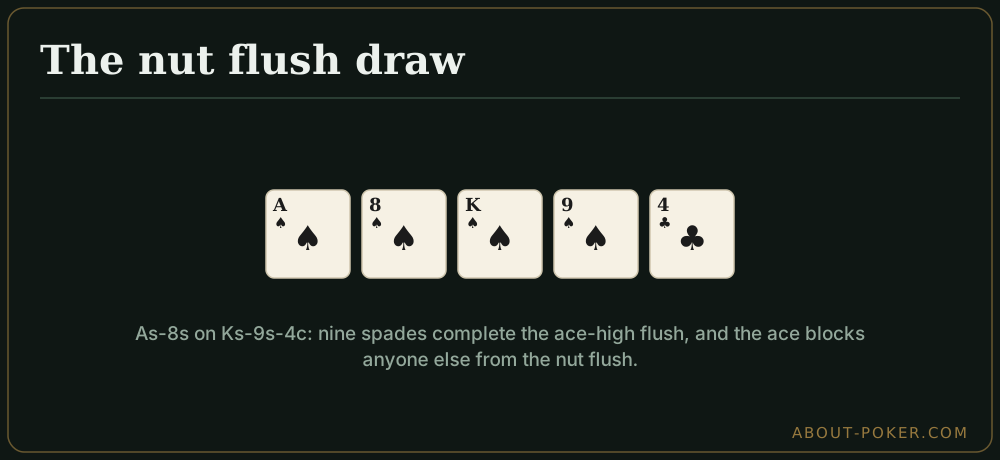
You call a raise with A♠ 8♠ and the flop is K♠ 9♠ 4♣. You have the nut flush draw: nine spades complete the best flush, and no one else can hold the ace-high spade flush. That is roughly 35 percent equity to the river, plus an overcard-blocker and a hand that bluffs beautifully.
This is a raise, not a call. Semi-bluff-raising the flop wins two ways: your opponent folds now, or you complete the nut flush later and stack them. And if the turn brings a second spade to the board or a scare card, your ace blocker lets you keep applying pressure. Pair the nut flush draw with a straight draw and you have a genuine combo draw — a near coin-flip against a made hand.
How to play it
- Semi-bluff aggressively. Nine outs plus fold equity plus the blocker make raising far better than passive calling.
- Value the ace blocker on later streets. You can barrel scare cards credibly because no one else can have the nut flush.
- Get paid when you hit. A completed nut flush loses to almost nothing, so bet it for maximum value.
- Combine it with other equity. A nut flush draw plus a straight draw is one of the strongest hands you can hold on the flop.
Nut flush draw versus a weak flush draw
The contrast with a low flush draw is instructive. Both have nine outs, but a low flush draw carries reverse-implied risk — you can complete your flush and still lose to a higher one, and you cannot bluff as confidently because you hold no blocker. The nut flush draw removes both problems: your made flush is unbeatable in the suit, and your ace shuts opponents out of the nuts. Same odds, far more value.
Quick checklist for nut flush draws
- You hold the ace of the flush suit — drawing to the best flush.
- Nine outs, about 35 percent to hit by the river from the flop.
- The ace blocks opponents from the nut flush, boosting bluff power.
- Semi-bluff and raise; you win by folding them out or completing.
- Combine with a straight draw for a monster combo draw.
The nut flush draw is more than a hand with good odds — it is a hand with good odds and leverage. The nine outs give you equity, the ace gives you a blocker, and together they make it a hand you should play fast and fearlessly.
Frequently asked
What is a nut flush draw in poker?
It is a flush draw to the best possible flush, which means you hold the ace of the flush suit. When your flush completes, no other flush can beat you, so you are drawing to the nuts in that suit.
How many outs does a nut flush draw have?
Nine. There are 13 cards of each suit, four are visible (two in your hand, two on the board), leaving nine cards that complete your flush. That gives about 35 percent equity to hit by the river from the flop.
Why is a nut flush draw better than a regular flush draw?
Because it cannot be beaten by a higher flush and it blocks opponents from holding the nut flush. That blocker effect makes it a stronger bluffing hand, and you avoid the trap of making a flush that loses to a bigger one.