What Is Spew in Poker?
Spew is losing chips through reckless, ego-driven plays. Learn what spewing means in poker, the common forms it takes, and how to plug the leak for good.
On this page · 6 sections
Spew is poker slang for losing chips through reckless, unnecessary, or ego-driven plays. A spewy player does not go broke from bad luck — they hand the money away through poor decisions: bluffing into people who never fold, hero-calling with nothing, and making bets that only ever get called by better hands. If tilt is the emotion, spew is the behavior it produces at the table.
The word is deliberately ugly, because the play it describes is ugly. Spewing is the opposite of the tight, deliberate poker that wins over time. Every serious player spews sometimes; the goal is to notice it fast and shut it down.
What Spew Actually Looks Like
Spew is any action that loses expected value for a bad reason. The classic forms are recognizable at every level:
- Bluffing calling stations. Firing three barrels at someone who never folds is pure donation.
- Hero-calling with air. Talking yourself into “he’s got to be bluffing” and calling big bets with a hand that beats nothing.
- Fancy-play spew. Overcomplicated bluff-raises and thin value bets designed to look clever, not to make money.
- Over-shoving. Jamming marginal hands for stacks when a call or fold was plainly correct.
The unifying thread is that a spewy bet fails the basic test: it does not get worse hands to call or better hands to fold.
Spew vs. Tilt
Spew and tilt are close cousins but not the same thing. Tilt is the emotional state — frustration, anger, or impatience after a bad beat or a boring stretch. Spew is the action that state produces. You can spew stone-cold sober if you simply overvalue aggression or love making moves. But most spew starts as tilt: the player who just took a beat “wants it back now” and starts firing chips into spots that do not warrant it.
Related to spew is the overbluff — bluffing more often than the situation supports. Chronic overbluffing against sticky opponents is one of the purest forms of spew.
A Worked Example
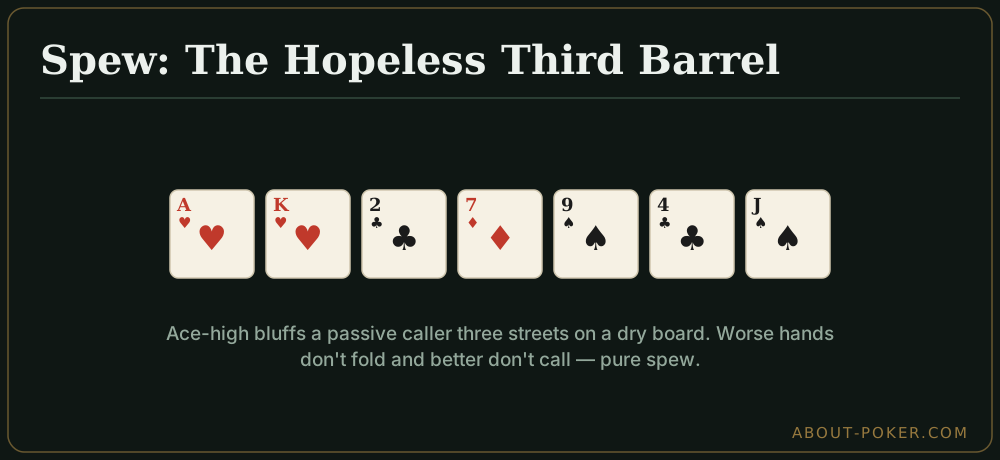
You have Ah-Kh and raise preflop; a loose, passive player calls. The flop is 2c-7d-9s — a total miss. You c-bet, they call. The turn is the 4c, still nothing for you. You barrel again; they call again. The river is the Js. You have ace-high, which beats nothing they would call two streets with.
The disciplined line is to give up — check and fold to a bet, or check behind. The spew line is to fire a third barrel “to make them fold.” Against a passive caller who has demonstrated they will not fold, that third barrel gets called by every pair in their range and beats none of them. You turn a small loss into a stack-threatening one for no reason. That final bet is textbook spew.
Why Spew Is So Expensive
Spew costs more than the pots you lose directly. A spewy image makes good players call you down lighter and value bet you thinner, so you leak from both ends. Worse, spew usually snowballs: one reckless bluff that fails stings the ego, which feeds more tilt, which feeds more spew. A single bad session can undo weeks of tight, patient winning. Compare it to a clean value bet, where every chip you put in expects to be called by something worse — the exact opposite of spewing.
How to Stop Spewing
The cure is a set of habits, not willpower alone. Before any large bet, ask the two-question test: Do worse hands call? Do better hands fold? If the honest answer to both is no, you are about to spew — so check or fold instead. Slow down your decisions; spew loves speed and autopilot.
Just as important, respect the exit. If you notice frustration, impatience, or the itch to “make something happen,” you are in a tilt-to-spew spiral. Take a walk, sit out a few hands, or quit the session. There is no shame in leaving; there is real money in not spewing it.
Quick Checklist to Avoid Spew
- Does this bet get worse hands to call or better hands to fold?
- Am I bluffing someone who actually folds?
- Am I calling on a real read, or because I hate being bluffed?
- Am I on tilt right now — and should I be sitting out instead?
Answer those honestly and most spew disappears. The chips you don’t give away are worth just as much as the ones you win.
Frequently asked
What is spew in poker?
Spew is losing chips through reckless, unnecessary, or ego-driven plays — bluffing into calling stations, hero-calling with air, or making thin bets that only get called by better hands. A spewy player bleeds money through poor decisions rather than bad luck.
What causes spewing?
Spew usually comes from tilt, boredom, over-aggression, or the urge to make a fancy play. It is the opposite of tight, disciplined poker: instead of picking good spots, the spewy player forces action and hands chips to the table.
How do you stop spewing chips?
Slow down, bet with a clear reason for value or as a bluff, and quit when you notice tilt creeping in. Ask before every big bet whether worse hands call or better hands fold. If neither is true, you are probably about to spew.