How to Play Against a Calling Station
A calling station calls everything and folds nothing, so stop bluffing and start value betting relentlessly. Learn to size up, bet thin, and print money.
On this page · 7 sections
A calling station is the loose-passive player who calls with almost anything and folds almost nothing. They chase draws without the odds, call down with bottom pair, and refuse to lay hands down. This is the single most profitable opponent type in poker, and beating them requires no tricks — just discipline and a willingness to value bet relentlessly. The one rule that matters above all: never bluff a station, and always bet your value.
Why bluffing fails
A bluff only works if your opponent folds, and folding is the one thing a calling station will not do. Every chip you fire as a bluff is a chip you are effectively donating. This inverts normal strategy: against a thinking player you balance value and bluffs, but against a station you throw the bluffs away entirely and lean your whole game toward value. The same logic runs through playing against calling stations, and it is the mirror image of how you handle a maniac — there you catch bluffs, here you make value bets.
Value bet everything
Because a station calls with weak hands, your value threshold drops dramatically. Hands you would normally check for pot control — top pair weak kicker, second pair, even a decent third pair on a dry board — become clear value bets. If you would win at showdown against the hands they call with, bet. Fire the flop, fire the turn, and fire the river with any pair that beats a wide calling range. This is exactly the mindset developed in value betting thin in cash.
Size up
Do not shrink your bets out of fear the station will fold. Since they call regardless of price, a bigger bet simply extracts more from the same hand. Where you might bet half pot against a reg, bet three-quarters or full pot against a station. On the river, when you hold a strong hand and know they will call with any pair, overbetting is often the highest-EV play. The station does not punish sizing tells, so use the largest size they will still call.
A worked example
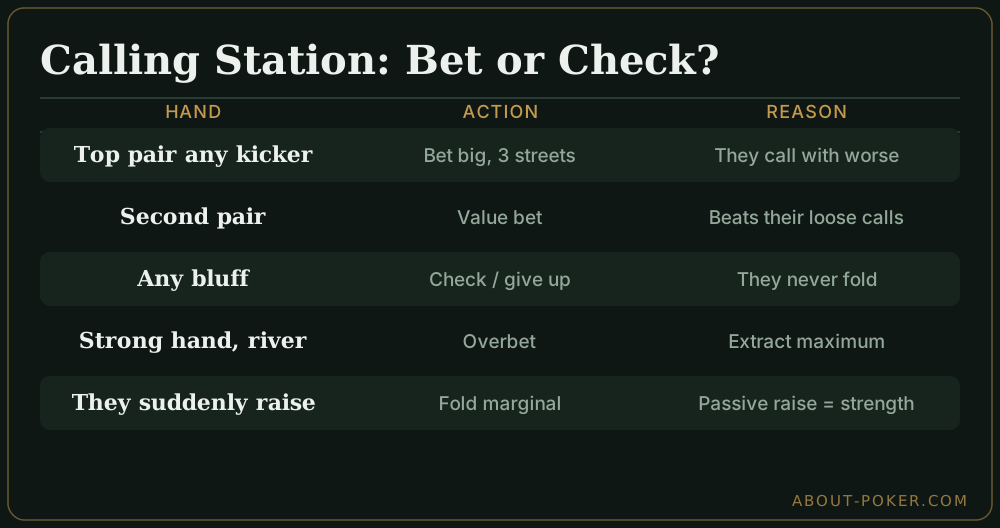
You hold K-Q on a Q-8-4 rainbow flop against a known calling station. You have top pair, good kicker. You bet 75% pot; they call. Turn is a 2; you bet 75% again; they call. River is a 7. Against a normal player you might check for pot control, worried about being raised or only called by better. Against a station, you bet again — even overbet — because their calling range is loaded with worse queens, eights, fours, and busted draws they refuse to fold. Over many repetitions, three streets of value from top pair against a station earns far more than the cautious check-behind ever would.
When to slow down
There is one exception: when a passive station suddenly comes alive with a raise, believe it. A calling station who never bets and never raises is telling you something loud when they finally do. If your station check-raises the turn or leads big into you, their loose-passive tendency means they usually have a genuinely strong hand — often two pair or better. At that point, your marginal value hands should slow down or fold. The profit comes from betting into their calls, not from stacking off when they wake up.
Common mistakes
The biggest leak is bluffing a station out of habit or frustration; it burns money every time. The second is under-betting your value hands, leaving money on the table with timid sizing. The third is missing thin value by checking hands that are ahead of their calling range. A fourth is ignoring their rare aggression — when a station finally raises, respect it. Fix these and a calling station becomes a near-automatic profit center.
Checklist
- Never bluff — they will not fold.
- Value bet every hand that beats their wide calling range.
- Widen your value threshold to include weak top pairs and second pair.
- Size up; use large bets and overbets on the river.
- Fold your marginal hands when a passive station suddenly raises big.
- Fire multiple streets with strong hands to maximize what they pay off.
A calling station rewards patience and punishes creativity. Keep it simple, bet your good hands big, and let them pay you off street after street.
Frequently asked
How do you beat a calling station?
Stop bluffing entirely and bet your value hands relentlessly, including hands you would normally check. A calling station folds too little, so top pair, second pair, and even weak pairs are profitable value bets against them. You win by getting paid, not by getting folds.
Should you bluff a calling station?
No. The defining trait of a calling station is that they call far too often, so bluffs almost never work and simply lose you chips. Save your money and let your made hands do all the work.
What sizing should you use against a calling station?
Bet bigger than normal for value. Since they call regardless of price, larger bets and even overbets extract more money from the same range of weak calling hands. Do not shrink your sizing out of fear they will fold — they usually will not.