What Is Cutoff Plus in Poker?
Cutoff plus in poker refers to the late-position seats from the cutoff onward. Learn what it means, why these seats are so profitable, and how to play them.
On this page · 7 sections
Cutoff plus is shorthand poker players use for the group of late-position seats beginning at the cutoff and continuing toward the button. When someone says “I open wide from cutoff plus,” they mean the cutoff and every seat after it, the spots where you have position on most of the table and can play the loosest, most aggressive ranges. Learning to attack from these seats is one of the fastest ways to raise your win rate.
What Cutoff Plus Means
The cutoff is the seat directly to the right of the button, and it takes its name from the days when it could “cut off” the button’s chance to steal. “Cutoff plus” simply extends that idea to include everything from the cutoff onward: the cutoff, the button, and in some usages the blinds too, since play concludes there. If you want the full breakdown of the seat itself, see our guide to the cutoff.
The seat just before the cutoff is the hijack, and the seat after it is the button, the single best position at the table, covered in our note on being on the button. Cutoff plus captures this whole profitable neighborhood in one phrase.
Why These Seats Print Money
The reason cutoff plus is so valuable comes down to position and steal equity. When you open from the cutoff, only three players can act behind you: the button and two blinds. From the button, only the two blinds remain. Fewer players behind means fewer chances to run into a big hand, so you can open a much wider range.
Position also means you act last on most or all postflop streets. Acting last lets you see what opponents do before you decide, control the size of the pot, bluff more effectively, and realize your equity more fully. Study after study of real results shows win rates climbing steeply from early position to the button, and cutoff plus is exactly where that climb happens.
Opening Ranges by Seat
As you move through cutoff plus, your opening range should widen noticeably:
- Cutoff: around 25 to 30 percent of hands, adding suited connectors, suited gappers, weaker suited aces, and offsuit broadways.
- Button: around 40 to 50 percent, adding almost any suited hand, many offsuit connectors, and small offsuit aces because you will have position for the entire hand.
The blinds are technically after the button in seating order, but they act first postflop, so they play defense rather than opening wide.
A Worked Example
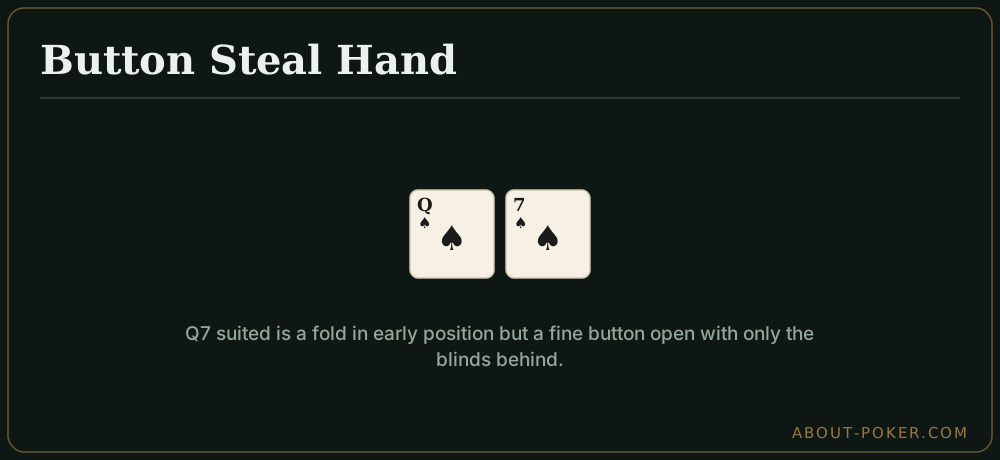
You are on the button in a 1/2 game. It folds to you and you look down at Q7 suited. From early position this is an easy fold, but on the button it is a fine open. Only the two blinds remain, both of whom fold too often, and if you get called you have position for every street plus a hand that can make flushes, straights, and decent pairs.
You raise to 2.5 big blinds. The small blind folds and the big blind calls. On a flop of Q-8-3 you have flopped top pair and can bet for value; on a blank flop you can often take the pot with a continuation bet because your opponent is capped and out of position. That combination of a wide, playable range and permanent position is what makes button and cutoff opens so strong.
Adjusting to the Table
Cutoff plus is a license to widen, but not a license to autopilot. Tighten up when the players in the blinds are aggressive 3-bettors who punish loose steals, and loosen further when they fold too much. Pay attention to the button specifically: if a strong, active player sits there while you are in the cutoff, they will re-steal often, so lean toward hands that can continue against a 3-bet rather than pure junk.
Common Mistakes
- Playing cutoff plus like early position and folding too much, leaving easy blind steals on the table.
- Opening trash offsuit hands from the cutoff as if you were already on the button; the extra player behind matters.
- Ignoring the players in the blinds; a nitty big blind means steal more, an aggressive one means tighten.
- Limping from late position instead of raising, which surrenders your fold equity and initiative.
Quick Checklist
Before you act from cutoff plus, run through:
- How many players are left to act? (Fewer means wider.)
- Are the blinds tight enough to steal, or aggressive enough to re-steal?
- Does my hand play well with position if called?
- Am I raising to seize initiative rather than limping?
Attack from cutoff plus with discipline and these seats will become the biggest source of profit in your game.
Frequently asked
What does cutoff plus mean in poker?
Cutoff plus refers to the group of late-position seats starting at the cutoff and moving toward the button, plus the blinds in some usages. It is shorthand for 'the cutoff and all positions after it,' the seats where you can play the widest, most aggressive ranges.
Why is cutoff plus so profitable?
These are the last seats to act preflop, so you have position on most of the table, more information, and frequent chances to steal the blinds. Position lets you realize your equity more often and control pot size, which is why win rates climb sharply from the cutoff to the button.
How wide should I open from cutoff plus?
Much wider than early position. A common guideline is opening around 25 to 30 percent of hands from the cutoff and 40 to 50 percent from the button, adding suited gappers, offsuit broadways, and small pairs as you get closer to the button.