What Is Showdown Bound in Poker?
A showdown-bound hand is one you plan to check down and take to showdown. Learn what showdown bound means in poker and how to play these medium hands well.
On this page · 8 sections
A hand is showdown bound when your plan is to reach showdown with it rather than build a big pot or turn it into a bluff. These are the medium-strength hands stuck in the middle: too weak to bet for value, too strong to throw away, and best served by getting to the end of the hand cheaply and flipping them over. Recognizing when a hand is showdown bound, and playing it accordingly, prevents two of the most common and costly errors in poker.
The core idea
Showdown bound is a plan, and it flows directly from a hand’s showdown value. A hand with showdown value can win at showdown without improving, but it is not strong enough to want a big pot. Once you recognize that, the sensible plan is to steer the hand toward showdown: check when checked to, call modest bets, and avoid inflating the pot. The hand’s job is to beat bluffs, not to get value.
Why betting these hands backfires
The instinct to bet any decent hand is a trap with showdown-bound holdings. Bet for value, and worse hands fold while only better hands call, so you get raised or you lose more. Bet as a bluff, and you are throwing away a hand that could have won at showdown as it stood. Both directions cost money. The medium hand does its best work by staying in the pot cheaply and winning uncontested at the end.
A worked example
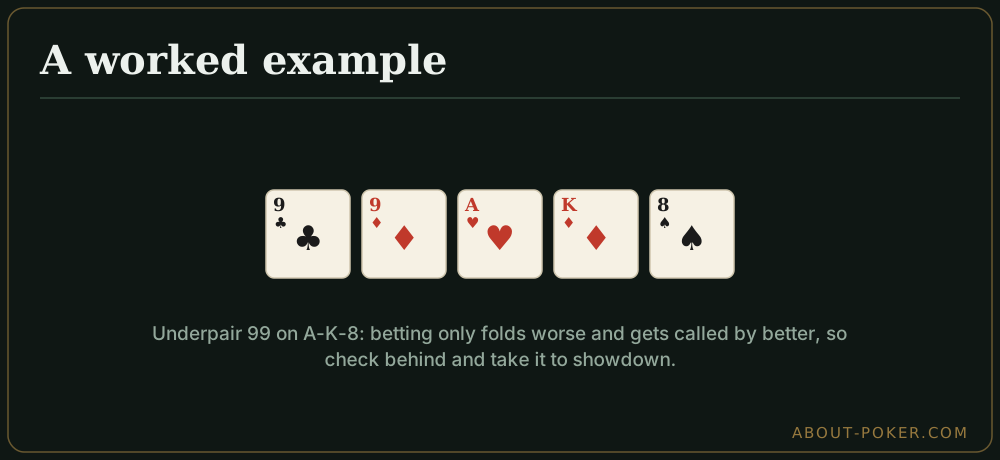
You hold 9c 9d on a final board of Ah Kd 8s 5c 2h. You have an underpair to two overcards. The pot is 70 and you are last to act after your opponent checks the river.
Your nines are showdown bound. If you bet for value, no worse hand calls; ace-high or a busted draw folds, and any pair of aces or kings calls or raises. If you bet as a bluff, you toss away a hand that beats every busted draw and every hand weaker than a pair. So you check behind and take it to showdown. Against a range that contains missed draws and weaker holdings, checking wins a fair share of pots for free, exactly what a showdown-bound hand should do.
If instead your opponent had bet the river, your nines become a bluff catcher: you call a reasonable size because you beat the bluffs, and fold to a large one if their range is too strong.
Facing bets with a showdown-bound hand
When a showdown-bound hand faces a bet, the plan shifts from checking down to bluff catching. You compare the pot odds to how often your opponent is bluffing. If they bet an amount your hand can profitably call and their range contains enough bluffs, you call and realize the showdown value. If they overbet or represent a range full of value, you accept that the hand cannot win here and fold. Same hand, different plan, driven by the price.
Protecting your showdown-bound hands
The reason to keep the pot small is to make it to showdown affordably. Every extra bet you invest makes it harder to justify calling the next street. By checking these hands and keeping the pot manageable, you give the hand its best chance to reach the river cheaply and win. Bloating the pot with a medium hand often forces you into a tough fold later, wasting the showdown value entirely.
Position and showdown-bound hands
Position makes playing showdown-bound hands far easier. In position, you can simply check behind and guarantee you see a showdown without paying anything, which is the ideal outcome for these hands. Out of position, you cannot control the action as well; you check and then must react to whatever your opponent does, which is why medium hands play worse out of position. Whenever possible, use position to shepherd these hands to a free or cheap showdown.
Common mistakes
The biggest mistake is betting showdown-bound hands for thin “value” that only gets called by better, turning a likely winner into a loser. The second is over-folding them when facing a bet, giving up hands that beat plenty of bluffs. The right mindset is to keep the pot small, get to showdown cheaply, and call only when the price and the opponent’s bluffing frequency justify it.
Quick checklist
- Can this hand beat bluffs but not get called by worse? Then it is showdown bound.
- Am I about to bet a medium hand for value that only better hands call? Check instead.
- Facing a bet, do the pot odds and their bluff frequency justify a call?
- Am I using position to reach showdown as cheaply as possible?
Frequently asked
What does showdown bound mean in poker?
A hand is showdown bound when you intend to reach showdown with it rather than bet it for value or turn it into a bluff. These are usually medium-strength hands that can beat a bluff at showdown but are not strong enough to bet for value.
Should I ever bet a showdown-bound hand?
Usually not for value, because worse hands rarely call and better hands rarely fold. The best play is generally to check and let the hand realize its showdown value, calling reasonable bets and folding to heavy pressure.
What is the difference between showdown bound and showdown value?
Showdown value describes a hand's ability to win at showdown without improving. Showdown bound is the plan you adopt because of that value: you decide to take the hand to showdown rather than bet or bluff with it.